

Because I couldn’t find a sugar pie pumpkin to bake this cake over the Thanksgiving weekend, I bought a kabocha squash instead. I swap pumpkin with kabocha squash all the time. They both taste delicious and several of my readers have told me that they actually prefer squash for baking. It’s 2020. Roll with it. Use whatever you can find. Well okay, not whatever… don’t substitute parsnips for pumpkin in this, although that might taste good too…


Speaking of swaps, I haven’t bought brown sugar in almost a year. The store near me that carries brown sugar in bulk has locked up its bins like gold bullion-filled safes. But I have lots of molasses on hand, so for the cup of brown sugar in this recipe, I use a scant cup of granulated sugar and about 2 teaspoons of molasses. I mix the sugar in with the dry ingredients and the molasses in with the wet. Like so many of the swaps I’ve made over the years in order to cut waste, I find this one improves the taste.
As with my pumpkin pie recipe, I use fresh ginger in this cake. Once you go fresh, you never go back. My food tastes better and I can drop one more item (dry ground ginger) from my supply list since I absolutely must stock fresh ginger at all times for ginger beer, Indian dishes, tea and more. This recipe alone can free up two jars’ worth of space in your pantry. (Jars are a legit zero-waste unit of measurement.)


Sourdough starter discard: How old is too old?
I hear this question constantly.
Every time I feed my sourdough starter Eleanor, I stir the starter that I remove into my discard jar in the refrigerator. I bake with this discard a couple of times a week—at least. So, I constantly recycle the discard in the jar and rarely change the jar unless I use up all the discard, at which point I finally wash the starter-encrusted jar. (I have never had a problem with mold in my discard jar, another common question. Go here for more sourdough starter FAQs.)
If you’ve kept a jar of discard in the refrigerator for months without recycling it in this way, it will taste too sour for this cake (and for the chocolate and carrot versions). But you can revive it by feeding fresh flour and water to a couple of spoonfuls of it. After one feeding, it will not be up to speed for leavening bread but it will work in discard recipes like this one.


Use up all the pumpkin or squash
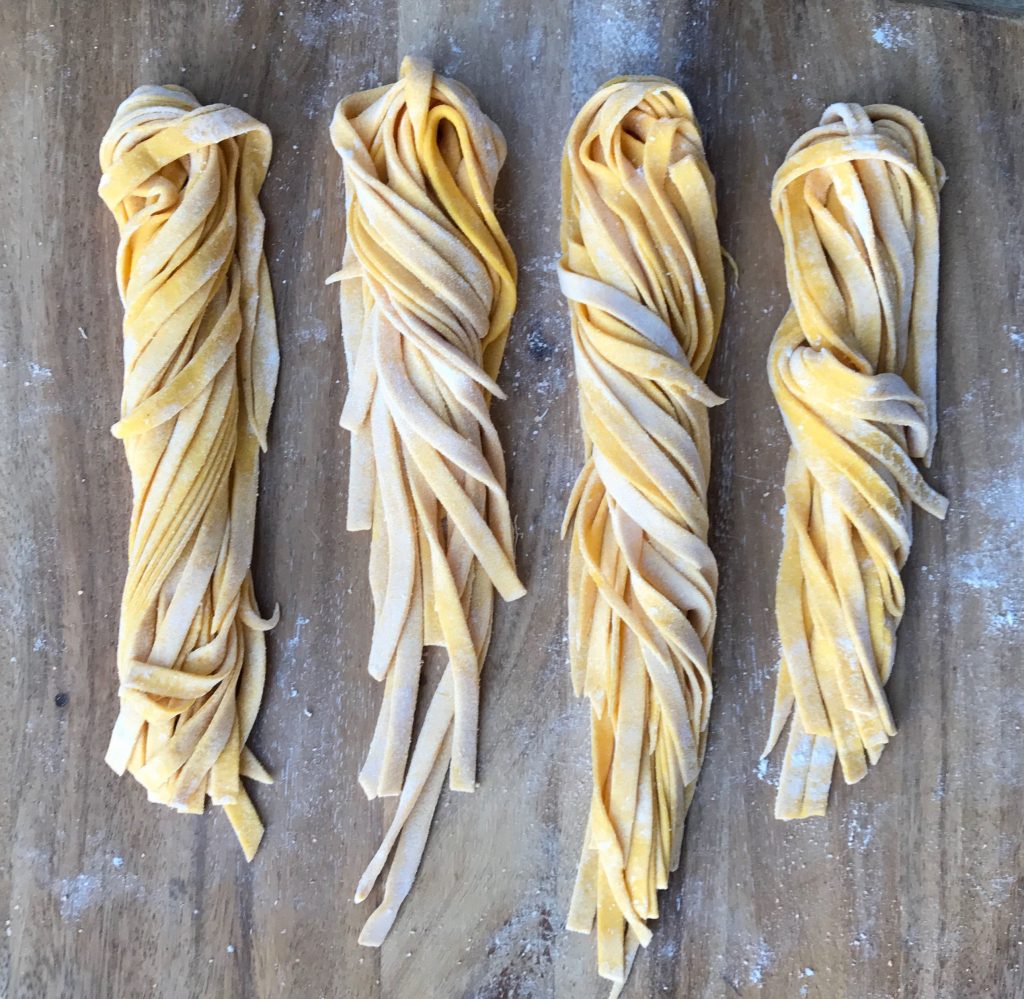
Remember to save the seeds from your fresh pumpkin or squash and roast them for a tasty, healthy, seasonal snack. You’ll find a simple roasted pumpkin seed recipe here. If you have leftover purée, make pumpkin dal, fresh pasta or soup or toss a bit of purée into a batch of hummus.




Sourdough Discard Vegan Pumpkin (or Squash) Ginger Cake
Ingredients
- 1 cup all-purpose flour
- 1 cup lightly packed brown sugar
- 2 teaspoons finely minced fresh ginger
- 1 teaspoon ground cinnamon
- ¼ teaspoon ground cloves
- 1¼ teaspoons baking soda
- ½ teaspoon salt
- ½ cup unfed discarded starter straight from the refrigerator, stirred down
- 1 cup fresh pumpkin or squash purée see note
- 2 tablespoons olive oil plus more for greasing the pan
- 1 tablespoon vinegar white, cider, or strong homemade
- 1 teaspoon vanilla extract
- 1 recipe coconut buttercream frosting if desired
Instructions
- Preheat oven to 350°F. Generously grease a 9-inch round metal baking pan.
- In a medium bowl, combine flour, brown sugar, ginger, cinnamon, cloves, baking soda and salt. Mix well.
- In another bowl or 2-cup measuring cup, combine unfed discarded starter, pumpkin or squash purée, vinegar, vanilla extract and olive oil.
- Add wet ingredients to dry ingredients. Stir until moistened and pour batter immediately into the prepared pan.
- Bake for 45 minutes or until a fork inserted in the center of the cake comes out clean and the sides of the cake have pulled away from the edges of the pan. Cool the pan on a baking rack.
- If frosting the cake, allow it to cool completely first.
Notes
- All of my sourdough recipes use a 100 percent hydration sourdough starter, meaning the starter contains equal parts water and flour by weight (not volume).
- I almost always cook my whole pumpkins or squash in a pressure cooker, which results in wetter flesh than pumpkin or squash roasted whole in the oven. If the batter seems too dry, add a small amount of water to it (start with 1 tablespoon).