I love to make soups, but hate to buy broth for several reasons:
- If you read the label of virtually any commercial broth on the shelf at the grocery store, you’ll probably find loads of salt and—depending on the brand—crud.
- Canned broth can expose you to the hormone-disrupting chemical BPA. Food and beverage cans are lined with plastic which may contain BPA (or another bisphenol). In adults, BPA has been linked to health problems such as heart disease, diabetes and liver problems.
- Although Tetra Paks may not contain BPA, they are lined with plastic. I don’t want my food—especially liquids—coming into contact with plastic.
- Single-use packaging is wasteful.
- Store-bought broth tastes bad.
So, I make my own broths. This post features vegetable broth. Click here for a bone broth recipe.
Homemade vegetable broth recipe cuts down on waste on two fronts—the packaging and the ingredients. Throughout the weeks, as I prep my vegetables, I throw very little into my compost bucket. Instead, I save celery tops, carrot ends (not the leafy green parts—they may lend a bitter flavor), the ends of onions, cauliflower cores, garlic cloves that have begun to dry out, the ends of green beans, tomato cores, broccoli that has seen better days and so on. I collect these bits in glass jars and containers and freeze them. As I collect more scraps, they go into the jars. Once I have amassed at least a few jars’ worth, I make broth using the following recipe.

Ingredients
- Vegetable scraps
- Water
- Salt (optional)
Directions

1. Throw the scraps into a large pot and add water. I don’t completely cover the scraps with water because after you cook them for a few minutes, they shrink down and become immersed in liquid.

2. Simmer the scraps for about half an hour. You can add salt now but I prefer to make this unsalted and add the salt later to whatever I decide to cook.


3. Strain the scraps. I set a metal colander inside a metal bowl and dump everything into the colander. Lift out the colander and reserve the scraps for the compost pile.

4. Pour the broth into jars. I have a handy funnel with a strainer in it but it doesn’t catch the super fine particles. You can also use cheesecloth.

There you have it. Two jars of tasty, healthier-than-store-bought broth that, aside from my time, cost me nothing to make. I threw nothing into the trash, and even these food scraps didn’t go to waste.
I’ll probably use some of my broth for this Alton Brown baked bean recipe and for creamy vegetable soup.
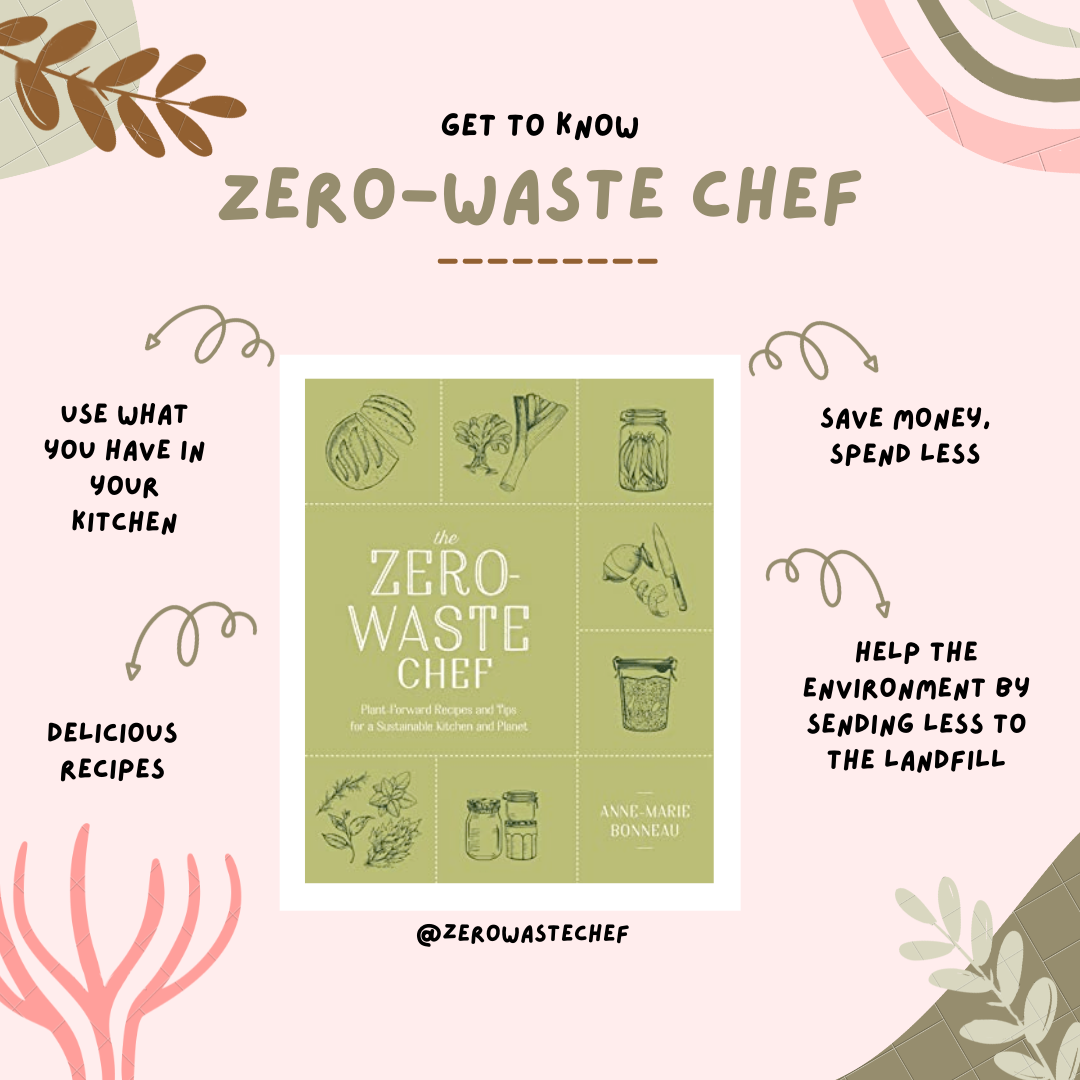
- Taste Canada silver for single-subject cookbooks
- Second-place Gourmand cookbook award in the category of food waste
- Shortlisted for an award from the International Association of Culinary Professionals