A continuous menu repurposes some elements of one meal into the next to reduce wasted food, save time and money and produce tasty dishes. Cooking this way, you essentially become your own sous-chef.
Start your continuous menu with a simple meal plan
On the weekend, based on ingredients I have on hand, I come up with two or three dishes I’d like to cook during the upcoming week. I try to choose dishes that have a couple of ingredients in common.
However you meal plan, keep in mind that things come up—a friend invites you for dinner at the last minute, your boss treats everyone at work to lunch or your kids eat dinner at friends’ homes.
A sample continuous menu
In this sample menu, I’ll focus on dinner. I think that causes the most stress. Between leftovers and food squirreled away in the freezer, lunch will be covered.
Main dishes
Sweet potato, chickpea and kale salad with tahini dressing. I have lots of kale growing in the backyard and chickpeas on hand. My daughter Charlotte has made this adaptable version of the salad for us and it’s delicious. She omitted the brussels sprouts and avocado and she also veganized it with a couple of small changes (she’s mostly vegan).
Vegetarian shepherd’s pie. I have the dried beans for the base and the potatoes to mash for the top. I’ll need some vegetables for the middle layer. (I’ll make the recipe in my cookbook.)
Roasted vegetable soup. Roasting brings out so much flavor. I have lots of honeynut squash on hand at the moment because I love them. We can thank Dan Barber for these small, rich, sweet, deep orange vegetables. He asked a seed breeder to develop a tastier butternut squash and honeynut was born. I may also roast whole heads of garlic. Later in the week, I’ll sauté onions in a big pot, add the roasted vegetables and broth and purée everything. When I make soup, I make a vat of it and freeze a couple of jars’ worth to enjoy later.

Lunches, smaller dishes, snacks
Freezer food. I almost always have a couple of jars of soup or dal or curry in the freezer. These make excellent lunches.
Besan chilla. These rich, savory Indian pancakes consist of besan (flour made from roasted split chickpeas), spices and chopped vegetables. Quick and satisfying, they taste like eggs but contain none. I make these for my daughter MK when she comes home from work late. They’re fantastic with a bit of cilantro chutney on the side. Italy’s version of these are called socca or farinata. Eat them any time: breakfast, lunch or dinner. Go here for the recipe.
Hummus with sourdough crackers and raw vegetables. Healthy and satisfying. Go here for the cracker recipe and here for a hummus recipe. Add herbs and spices to the crackers and a bit of puréed cooked vegetable (e.g., pumpkin, beet) to the hummus for variety.
Popcorn. We eat lots of this zero-waste food group. Go here for the stove-top recipe.
Cookies. I might bake these peanut butter and chocolate cranberry granola bars. They are essentially cookies. So good! (Too good.)

Breakfast
Steel-cut oats. These take about half an hour (or longer) to cook. So make a big batch, store it in the refrigerator, reheat bowlfuls on busy mornings and save time while enjoying a hot, satisfying breakfast. Minimally processed steel-cut oats have a chewier texture and nuttier flavor than rolled oats. They are lower on the glycemic index and leave you feeling full longer. Choose from toppings such as fresh fruit, nuts, seeds, shredded coconut, maple syrup, yogurt, a bit of peanut butter… Go here for overnight cooking instructions.
The continuous menu order might go as follows
- Sunday night: sweet potato, chickpea and kale salad
- Monday night: shepherd’s pie
- Tuesday night: reheat sweet potatoes and roast more chickpeas for the salad
- Wednesday night: soup
- Thursday night: shepherd’s pie
- Friday night: besan chilla and green salad
- Saturday night: leftovers
Shop for your continuous menu
Now that you have your menu, make a list of any missing ingredients and go shopping. By basing your meals on what’s already on hand, you’ll eat that food before it can become waste. Stick with the list while you shop!
Make a list of tasks
Sunday
With my menu in hand, I’ll:
- Cook lots of soaked chickpeas in my pressure cooker for the sweet potato, chickpea and kale salad and the hummus
- Cook soaked black beans in my pressure cooker for shepherd’s pie
- Make tahini if I’ve run out (I sometimes buy it but it’s pretty easy to make)
- Make tahini dressing for the sweet potato, chickpea and kale salad
- Prep lots of kale for the sweet potato, chickpea and kale salad and set extra aside for more salads later in the week
- Make hummus in the food processor I used for the tahini (since the hummus contains tahini, no need to wash in the tahini-smeared food processor bowl first)
- Prep vegetables and chickpeas. Bake/roast:
- Cubed sweet potatoes for the salad. Make enough for leftovers.
- Whole potatoes for the shepherd’s pie topping. Baked potatoes make delicious mashed potatoes and the oven is already on so take advantage!
- Bite-size vegetables for the shepherd’s pie. Choose from parsnips, carrots, cauliflower, winter squash and so on.
- Vegetables for the soup. I’ll roast halved honey nut squash.
- Chickpeas for the sweet potato, chickpea and kale salad. These are best roasted right before serving so set aside some chickpeas to roast for the salad another night.
- Make mashed potatoes with the flesh of the baked potatoes and refrigerate it until needed later in the week.
For dinner, I’ll assemble the sweet potato, chickpea and kale salad.
I’ll spend the entire afternoon cooking but will have a pile of ingredients prepped for dinners during the week. I hope this hasn’t scared any of you off! Think of this time as an investment. It pays dividends on busy weeknights when you have a big head start on your meals. Put on the radio or your favorite playlist while you prep. And get the family involved!

Monday
On Monday, I’ll cook the filling for the shepherd’s pie in a large cast-iron skillet, top it with a layer of the roasted vegetables, followed by mashed potatoes. I’ll quickly make the sourdough cracker dough and refrigerate it. With 5 ingredients, it takes only minutes to combine.
Tuesday
Roast more chickpeas and assemble more of the sweet potato, chickpea and kale salad for dinner. Bake the sourdough crackers while the oven is on.
Wednesday
I’ll make puréed soup with the roasted honeynut squash and homemade scrap broth stashed in the freezer. If I’ve run out of broth, I’ll pull out vegetable scraps from the freezer, make that in about 20 minutes and freeze what I don’t need.
Thursday
Reheat the shepherd’s pie.
Friday
Start frying the besan chilla. While they cook, make a salad with the prepped kale and random vegetables on hand. Toss with remaining tahini dressing or olive oil and wine vinegar.
Saturday
Reheat any leftovers.
Benefits of a continuous menu
Cooking this way:
Reduces wasted food
If food gets prepped, food gets eaten. Unprepped greens head south quickly in the refrigerator. Spend some time cutting and washing them, store them in a cloth produce bag, and they will keep for about a week. When you want a salad, grab them to toss with a few vegetables, vinegar and olive oil. Or toss them into a stir fry or pot of soup.
Saves time
You’ll save time by prepping lots of food all at once. You’ll also spend less time washing dishes. For example, in my sample continuous menu, I used the food processor twice on Sunday for different tasks but only washed it once at the end of the day. Ditto for the pressure cooker.
Saves money
Running an efficient kitchen saves money on energy—you’ll cook more food at once when the oven is on, for example. But the big savings will likely come from reducing food waste. Every year, the average family of four in the US spends $1,500 on food that goes uneaten.
Provides tasty meals
With much of your dinner already prepped, you won’t resort to eating a bowl of cereal for dinner when you’re tired and hungry.
Ensures healthier meals
With a continuous menu, you can assemble a healthy meal on busy weeknights rather than ordering take-out. (This also saves money. Takeout isn’t cheap!)
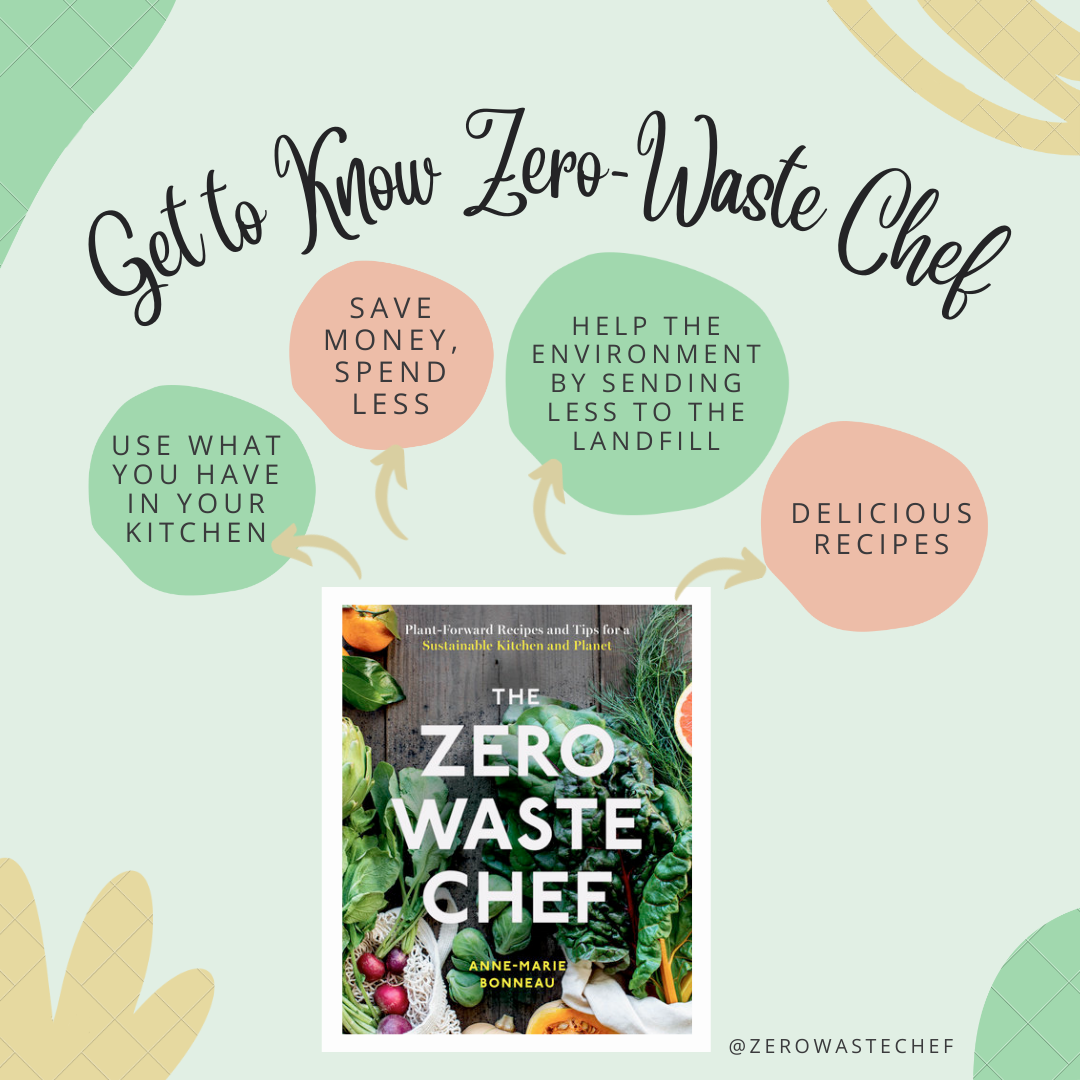
Check out my award-winning cookbook!
- Taste Canada silver for single-subject cookbooks
- Second-place Gourmand cookbook award in the category of food waste
- Shortlisted for an award from the International Association of Culinary Professionals
Learn more about my book here.