Updated 08/16/20
Jump to RecipeMy daughter Charlotte loves almond milk. You can find my recipe for that here. Yes I know almonds require lots of water. Dairy cows require more. We don’t guzzle almond milk or cow’s milk. Everything in moderation.
Or as Charlotte put it the other day:


At the bottom of my original almond milk post, reader Diana Botero left a life-changing comment.
Blend the pulp more than once. And it works! I make almond milk for my whole family and after I blend the first time I strain it and then with fresh water I blend the pulp. I blend a total of three times and make two liters with 1 cup and 1/4. The last strain the water is clear with lil white. I add a pinch of salt and its amazingly good. The left over is also way smaller that in the first strain. I recommend doing this because gets more out of the almonds. Its more efficient. The salt is a must since enhance the flavor. Hope it helps! Please share my tip for my was almost life changing milk wise.
So I tried it. And it worked amazingly well! I followed Diana’s directions and:
- Soaked my cup of almonds overnight
- Drained and rinsed them
- Blended them with 2 cups of fresh water
- Strained out the milk
- Put the pulp back in the blender with less fresh water than the first time along with a pinch of salt
- Blended everything again and made a second batch
- Repeated the process and made a third batch


I was thrilled! I rendered double the amount of milk I had been getting for the same price and not much more effort. I’ve already made a mess of the blender; I may as well keep going 😉
I prefer the first batch—it’s rich, creamy and sweet (but contains no added sugar). Charlotte prefers the lighter tasting second and third batches. You can also combine all of the milk together for one consistent batch if desired.
Now if your almond guilt still gnaws at you, this next milk alternative will assuage your guilt while satisfying your tastebuds.


My daughter MK started making this. You follow the same basic method to make nut and seed milks.

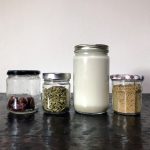
Pumpkin Seed Milk
Equipment
- blender, seive and thin linens or a nutmilk bag
Ingredients
- 1 cup pumpkin seeds raw and hulled
- 3 cups water plus more for soaking
- 3 Medjool dates optional
Instructions
- Soak the seeds overnight.
- Rinse the seeds and place in a blender with 3 cups of fresh water and the dates if desired. Blend for 3 to 5 minutes until very smooth.
- Strain out the pulp and store the pumpkin seed milk in jars in the refrigerator.
Notes
Judge me not for my nut milks! (Or anything else for that matter.)