When we first went plastic-free, cleaning presented a big challenge. How would we wash our dishes without plastic bottles filled with dish soap (not to mention filled with microbeads)? Sponges, made of plastic, come wrapped in yet more plastic. And how would we dispose of wet, stinky garbage? We found pretty simple solutions for all of these dilemmas—and for many others.
Choose your equipment

1. Kitchen sponges
When plastic sponges begin to fall apart, little bits of them go down the drain. I use cellulose sponges that I buy loose at Rainbow Grocery in San Francisco. When they break down, I compost them.
2. Homemade dishcloths
I knit these out of natural fibers a couple of years ago so their vivid colors have faded but they still work well. Of course, you can just buy dishcloths but I do enjoy making stuff. Knit dishcloths make a great project for children or adults learning to knit. The texture of the checkerboard pattern scrubs more effectively than a smooth stockinette pattern. If enough people want the pattern for this, I can write a future post on it.
3. Loofah sponges
My daughter bought loofah scrubbers similar to these a couple of years ago and they worked like magic at scrubbing dishes. I would love to grow my own loofah but I have such a shady yard and loofah requires full sun. Find instructions on growing your own here.
4. Natural bristle brushes
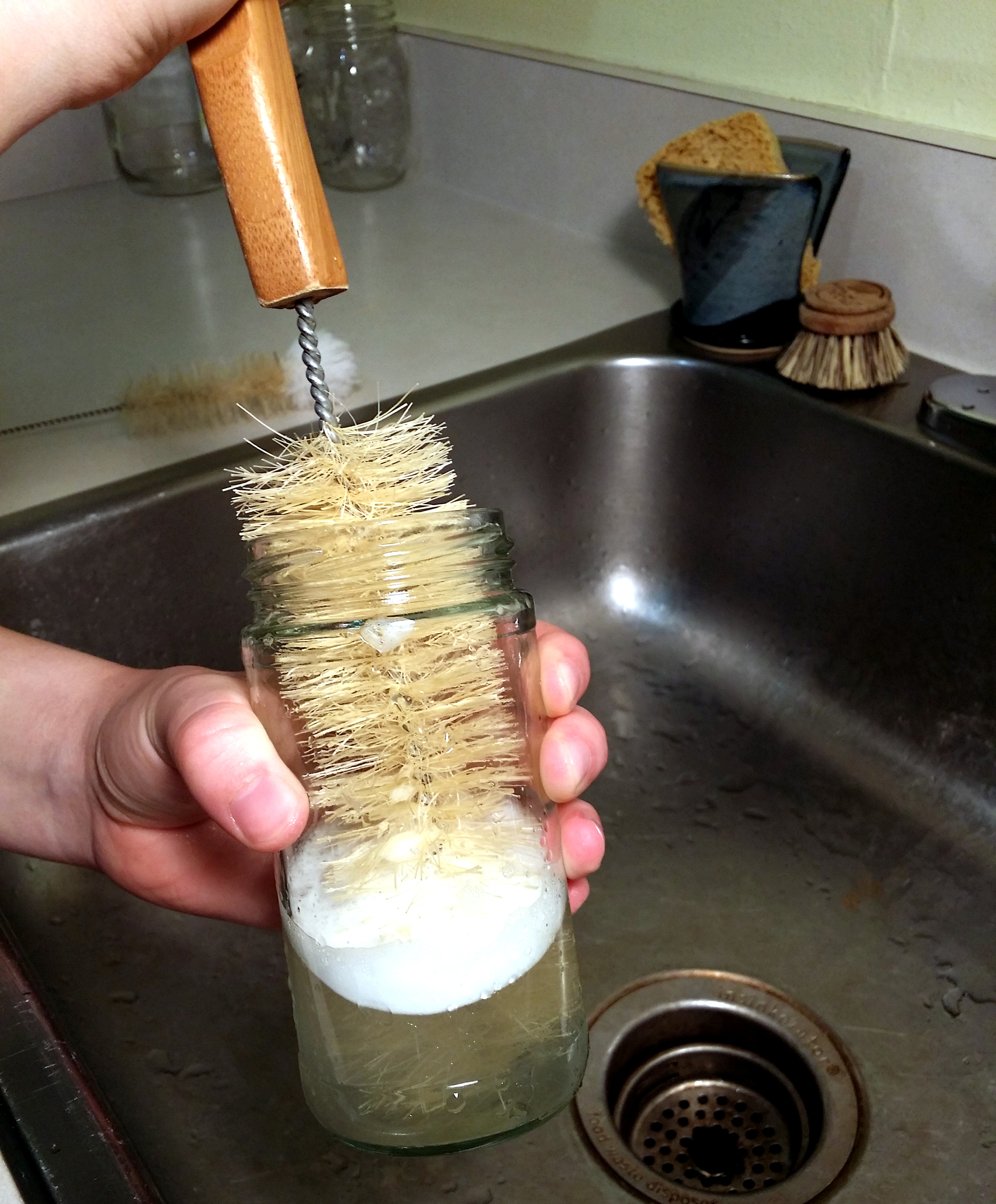
If you have reduced plastic in your kitchen already, then you may have developed a glass jar addiction similar to mine. Because I have no dishwasher, I use natural bristle bottle brushes to clean my bottles and narrow-neck jars.
5. Rags
My mother—who, at 83, grew up without paper towels—wonders how I live without them. Let me preface the following rant with the admission that my research into paper towel manufacture comes from the saw mill and paper mill passages of Richard Scarry’s What Do People Do All Day? However, I think I can safely claim that just some of the steps in the life-cycle of a paper towel include:
- Chop down trees
- Transport logs to the saw mill
- Harvest scrap lumber from logs cut into rough boards
- Transport scrap lumber to the paper mill
- Run scrap lumber through the chipper
- Add a bunch of water and chemicals to the wood chips to make wood pulp
- Run the pulp across a bunch of screens to form paper towels
- Bundle the long sheets into rolls of paper towels
- Shrink wrap the rolls of paper towels in plastic
- Transport the paper towels to the warehouse
- Transport the paper towels to the store
- Drive to the store to buy paper towels
- Unwrap the plastic and throw it out or into the recycling bin because you’re in denial that that kind of flimsy plastic can actually be recycled
- Use the paper towel once
- Toss the soiled paper towel into the garbage
- Argue with your partner or kids about who should take out the garbage
- Lug your garbage to the curb because you lost
- Repeat until the last tree falls
Rather than wipe up messes with paper towels, I use my lifetime supply of cotton rags I cut out of my kids’ old t-shirts. Yes some nasty manufacturing processes went into the production of said t-shirts but I will use these rags for years.
6. Dish gloves
I have given up on using dish gloves because I find they always spring leaks too soon. And I’m actually rather proud of my somewhat rough hands—I have worked hard to get them. If you want to protect your hands, we have tried this brand of plastic-free, 100 percent latex gloves. The website says they are home compostable.
Life Without Plastic carries many of these plastic-free cleaning tools and others I haven’t listed above.
Opt for more natural cleaners
7. Vinegar or vodka diluted with water
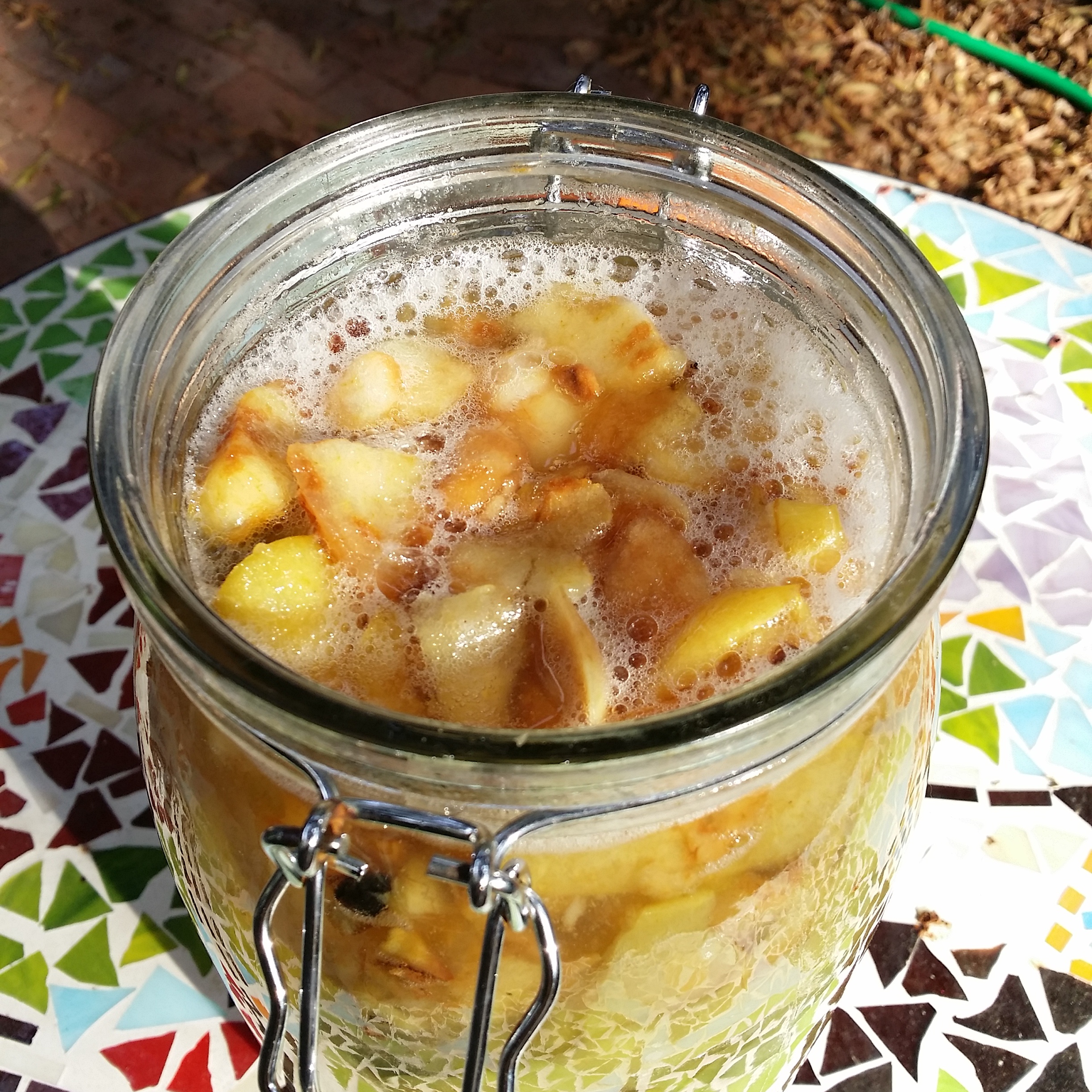
My daughter likes to combine one part vodka to one part water to clean counters, tables and appliances. I also use diluted homemade scrap vinegar to clean. Use a one-to-one ratio for that also, depending on what you need to clean.
8. Baking soda
I use baking soda to wash pots and pans and to scour my sink. It cuts through grease much better than dish soap and rinses off more easily. You can also use it in combination with vinegar to create an effective paste cleaner.


9. Homemade dish soap
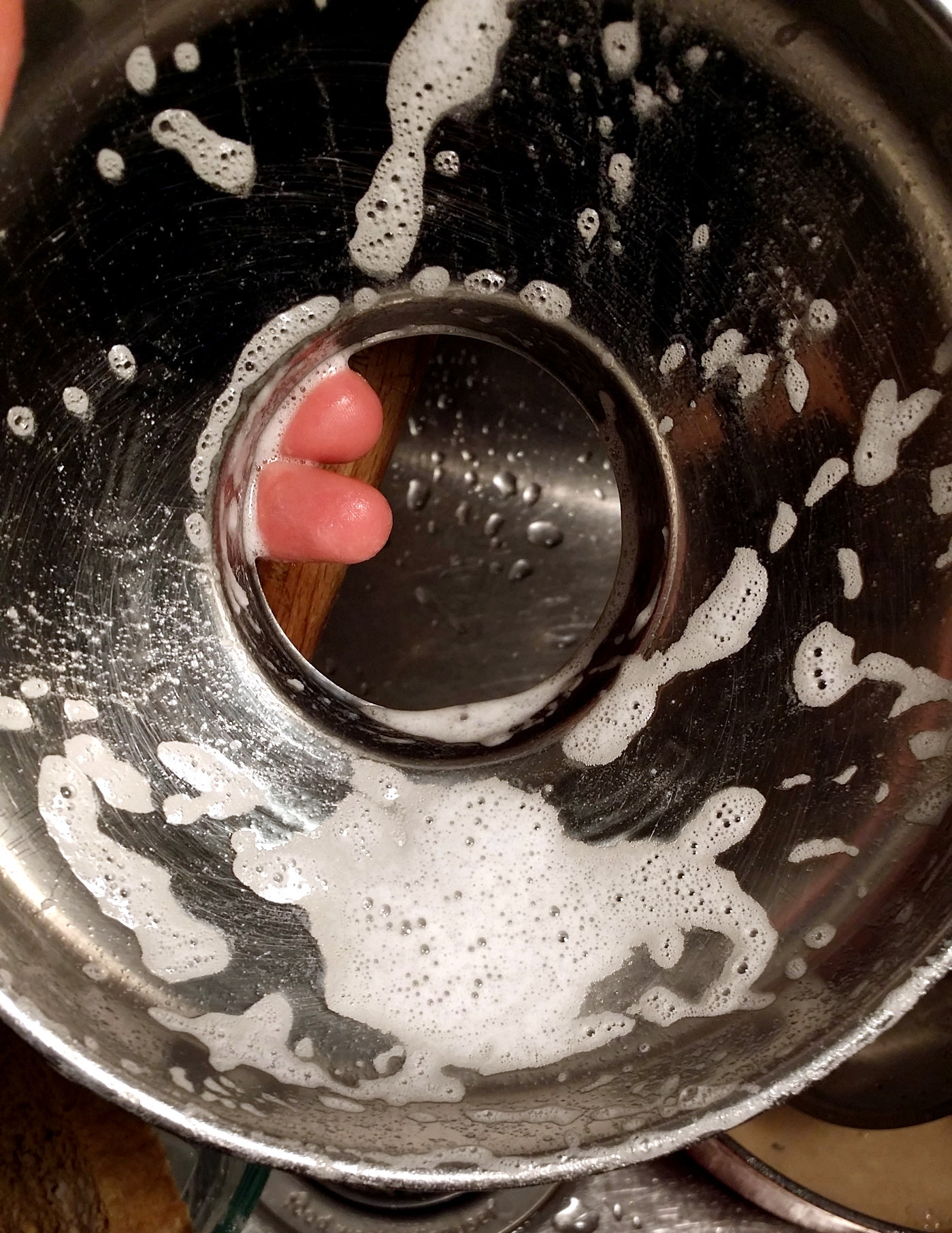
My kids dislike my homemade dish soap. Accustomed to the super soapy dyed and scented commercial stuff—I didn’t go plastic-free until they were 10 and 16—they claim my homemade stuff doesn’t suds up. As evidence that my homemade soap does indeed create some lather, I submit the photo below. You can find the recipe for homemade dish soap here.
10. Bulk dish soap
Sometimes, however, you must make compromises. Yes, when you buy dish soap in bulk, you do contribute to the plastic problem as the giant bulk container you drew your dish soap from will eventually hit landfill. But by buying bulk dish soap rather than all those small plastic bottles of the stuff, you do reduce your plastic footprint overall.
11. Dishblocks
These things are awesome. They can be expensive but I find the very large ones last for six months or longer (depending on how many dishes you do), especially if you use a well-draining soap dish. These work well with loofahs, which you can compost once spent.

12. Homemade dishwasher detergent
I don’t have a dishwasher, so I cannot vouch for the efficacy of these recipes but they look good. This one contains controversial borax. This one does not.
13. Lemon and salt for copper pots
Copper shines beautifully, cooks wonderfully but tarnishes quickly. To clean my copper pot, I sprinkle the outside with salt and then rub it with half a lemon. It removes tarnish almost instantaneously. Rinse the copper very well after cleaning to avoid corrosion.

Look for alternatives before buying consumer products packaged in–or made of—plastic
14. Window cleaner
Use a rag to clean your windows with vinegar and water and dry with crumpled newspaper. Works better than Windex and you won’t inhale nasty chemicals while you clean.
15. Garbage disposal freshener
You can shell out your hard-earned cash for plastic-wrapped garbage disposal cleaning pods filled with God-knows-what or you can simply toss a couple of lemon quarters in the garbage disposal and run it.
16. Air freshener
Like many soft plastics, most commercial air fresheners contain phthalates, “hazardous chemicals known to cause hormonal abnormalities, birth defects, and reproductive problems.” The National Resources Defense Council (NRDC) found that 86 percent of the common commercial air fresheners it tested contain phthalates. I find that a slow cooker filled with water and a few tablespoons of baking soda works well to freshen the air. A few drops of essential oil in a spray bottle filled with water also does the trick. You can burn incense too. Or open a window…
17. Garbage bags
Certain people I live with demand a trash can in the bathroom. I can control my family only so much (okay, very little), as I mention in the post “7 Tactics to Counter Zero-Waste Sabotage in Your Home.” But rather than lining the bathroom trash can with a plastic bag, I line it with the tissue paper wrapping from our toilet paper rolls. Newspaper also works. If you compost, you can pretty easily keep your kitchen garbage dry and thus eliminate the need for a plastic trash bag.

Bonus tip: Don’t be so picky about cleanliness
I’m not advocating for filth here. However, our war on bacteria has contributed to the mass extinction that our gut microbiota now face. “So what?” you may say, “Germs must die.” Well, it turns out that your gut plays a huge roll in your health, your weight, even your mood. You can find out why in The Good Gut. (Read my review of the book here.)
Many household cleaners like bleach kill not only bad bacteria but good bacteria as well. As a result, our guts come into contact with fewer good microbes. The authors of The Good Gut, pioneers into research on the microbiome, advise us to clean our homes with less toxic ingredients, such as vinegar, castile soap and lemon juice.
Accolades for my cookbook, The Zero-Waste Chef: Plant-Forward Recipes and Tips for a Sustainable Kitchen and Planet:
- Shortlisted for a Taste Canada Award
- Finalist for the International Association of Culinary Professionals Cookbook Awards
- Shortlisted for a Gourmand World Cookbook Award
You can check out the book here.