

Someone recently wrote on my Facebook page that going zero-waste requires a home, a garden and an outdoor compost bin. While I do agree all of this certainly helps, I also believe everyone can reduce their waste.
Perhaps reading about zero-wasters induces feelings of paralysis for some. “OMG, she raises backyard geese, makes her kids sidewalk chalk out of the ground-up eggshells and sews pillows stuffed with the feathers and down!” You can start small. If you aim for perfection, you may never begin, or if you do begin, you may soon give up.
It’s like when I started dating Todd, a near freakishly talented pianist. I quit piano lessons. Not that going zero-waste compares at all to mastering Chopin. Once you adopt a new lower-waste routine, you’ll likely find it easy—and pleasurable. I’ve come up with five baby steps for beginners. I would suggest choosing one and working up to more. Think of these as the “Chopsticks” of zero-waste. (I promise, no rulers on the knuckles.)

1. Commit to one zero-waste meal per day
In 2011, I traveled to Dominica in the Caribbean. Our gracious hostess owned an organic farm in the rainforest there and she fed us homemade granola every morning topped with fresh bananas, plantains, passion fruit or mango, flaked coconut and coconut milk, all harvested from nearby trees. I vowed to stop buying cereal when I returned home. If you want to cut one processed food from your life, cut cereal. You have so many other choices for breakfast: scrambled or poached eggs, fruit, homemade yogurt topped with, steel-cut oatmeal topped with fruit, fermented porridge, sourdough waffles and on and on. If you buy your ingredients in bulk, you can make all of these zero-waste.

2. Cut juice, soda, bottled water and any other beverage packaged in a plastic container or Tetra Pak
Juice contains as much sugar as soda. You may as well drink a Coke. Bottled water…don’t get me started. If you haven’t seen it, I highly recommend watching “The Story of Bottled Water,” produced by The Story of Stuff. Long ago, I bought juice and I’m ashamed to admit bottled water but today I buy only loose-leaf bulk tea in my own jars and milk in returnable glass bottles. That doesn’t mean we don’t consume a variety of beverages (including filtered tap water). I make:
- Kombucha
- Beet kvass
- Ginger beer
- Mead
- Hot chocolate with homemade chocolate syrup
So making all of these may go beyond a baby step but you could start with the easy-to-make chocolate syrup if you don’t feel up to trying anything more advanced—and you like chocolate 😉
3. Buy bread from a bakery
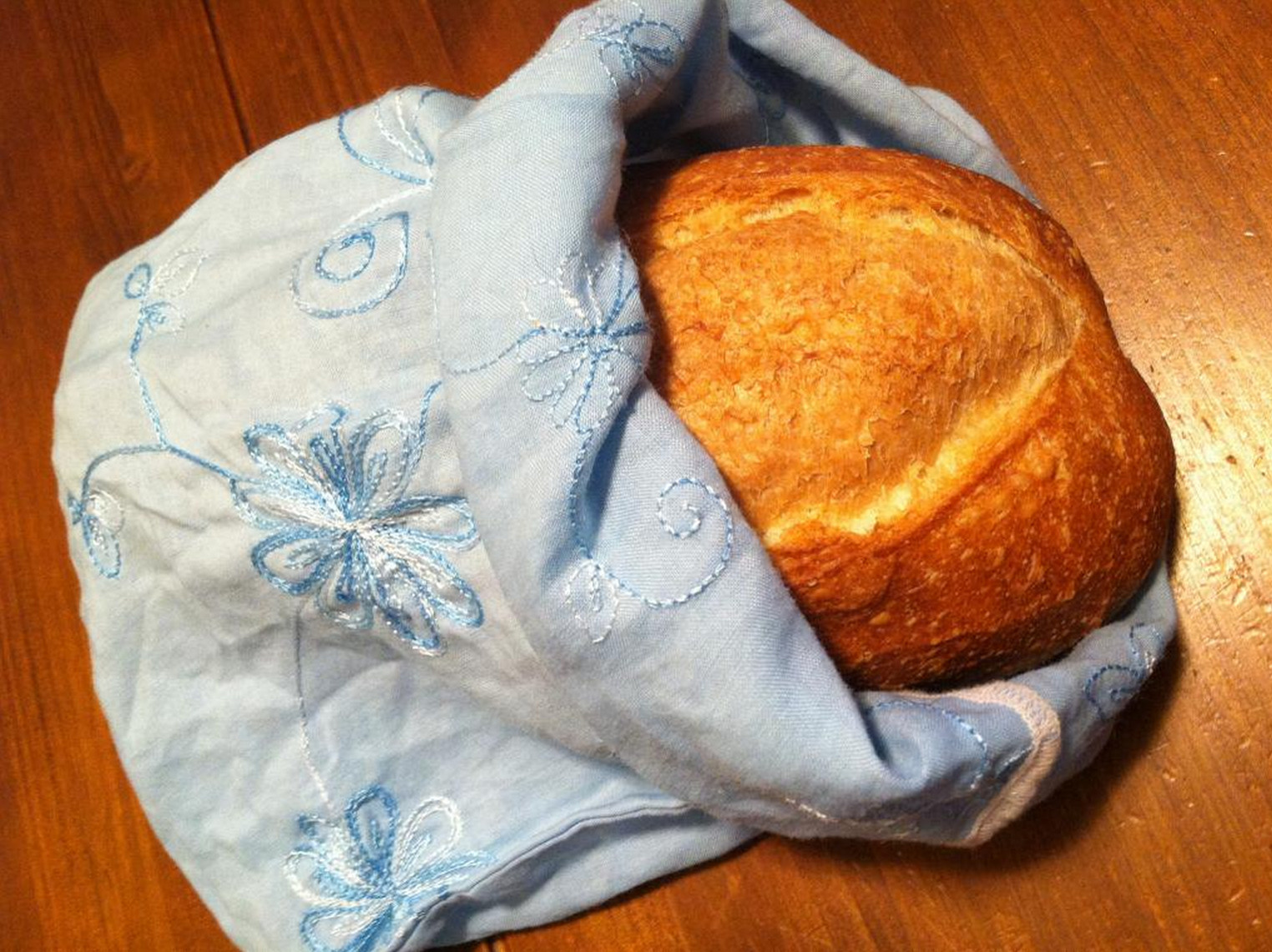
I bake lots of sourdough bread these days. I realize not all bread eaters will bake sourdough bread and many will opt to buy it instead. If you buy yours, find a bakery that sells bread loose and take your own cloth produce bag with you to store it in. If you decide to start baking your own, try sourdough. The process takes me three days but I do very little over those three days. I really just babysit the microbes that transform three simple ingredients—flour, salt and water—into bread.
4. Reach into the pantry for personal care products
I’ve been using my homemade deodorant for at least three years and I’ll never go back to the commercial stuff. (You’ll find the recipe here.) It contains coconut oil, baking soda, non-GMO corn starch and essential oil. It works like magic. I make scrap vinegar which I use (among other ways) to rinse my hair after washing with baking soda. My older daughter has also made us toothpaste with ingredients similar to the deodorant; mouthwash made with spices steeped in vodka for a month; and lip balm and hand cream both made with beeswax, various oils and essential oils.

5. Eat lower on the food chain
Like Michael Pollan says, “Eat food. Not too much. Mostly plants.” We do eat some meat but not a lot and I always hand the butchers my containers to fill when I do buy it. They often thank me for doing this now (it wasn’t always that way)! However, I do cook vegetarian meals regularly and sometimes vegan ones. Eating less meat and fish both simplifies shopping and cooking and reduces your waste. What is the most disgusting, smelly thing in your garbage pail? Likely wasted meat or fish, bones (if you don’t make bone broth, which I urge you to try!) and the bloody or wet packaging of the meat or fish. I love dal, channa masala, curries, refried beans, falalfel, egg-plant parmigiana, quiche and so on. If you want a little snack, grab an apple or orange.
Everyone has to start somewhere. Think of what I would be able to play today had I not quit piano lessons 10 years ago! I better dig out my old sheet music…