I started writing this post back in February after three consecutive atmospheric rivers pummeled the San Francisco Bay Area, causing flooding (not our home, thankfully), downing trees and taking out power. The rain tapered off, the sun came out and I let this post slide. But Mother Nature—justifiably angry—had more in store for us.
Another atmospheric river hit the area this week and during strong winds on Tuesday afternoon, our lights went out. At the peak of the outage, 450,000 PG&E customers in the Bay Area had no power. The criminal utility facing more manslaughter charges informed us on Wednesday morning that we shouldn’t expect power until Friday at 10pm. I needed a plan for our perishable food. (Luckily the lights came on Wednesday evening.)
Whether you’re affected by a power outage due to a stressed grid during a summer heatwave or by a winter storm knocking down power lines, the following tips will help you save more of your perishable food.
A note on food safety
If in doubt, compost it! You don’t want to get sick. Take simple precautions (like keeping food cold) and use both your senses and common sense when judging food’s edibility.
According to the USDA, during an outage, a full, closed freezer will remain cold for 48 hours, while a half-full freezer will stay cold half as long—24 hours. Unless you constantly open the door. (Avoid that!)
With the door closed, the refrigerator will stay cool for four hours without power. If the outage lasts longer, your refrigerator has essentially become a gigantic cooler. And to keep food chilled and safe in a cooler, just add ice.
Make ice
If the forecast calls for a bad storm, make large blocks of ice by filling stainless steel bowls with water and putting them in the freezer while you have power. Should you need water later, you can thaw these. If you want to use your bowl after freezing the water, let it sit at room temperature for a few minutes. The ice will slightly thaw around the edges and you’ll be able to slip it out to put it back in the freezer.
A large block of ice will last much longer than a plastic bag of smaller ice cubes, requires zero packaging and costs essentially nothing. I put one bowl of water back in the freezer today.
While you’re at it, fill some jugs with water
Or fill the bathtub. The water could shut off or become contaminated during a storm. You don’t want to run out of water.

If you have frozen soup or broth, move some to the refrigerator
I freeze lots of cooked food, such as soup, broth and roasted tomatoes. These double as ice packs in the refrigerator and once they thaw, I have something to eat.

Know that some foods will keep without refrigeration
Not everything needs to chill.
- Jam keeps at room temperature for a year. Natural peanut butter keeps for at least a month. Eat your peanut butter and jam sandwiches confidently.
- Do not store bread in the refrigerator, where it will dry out.
- Unless fermented, ketchup will keep at room temperature for a month and mustard for two. The fermented versions in my cookbook should be refrigerated to slow the fermentation. Otherwise they will continue to ferment quicker, the flavors will change and the ketchup will turn boozy (tomatoes are fruit). Go here for more opened condiments that can be stored outside of the refrigerator.
- Basil will be very happy on the counter in a jar of water as will many vegetables. If the power stays out for a couple of days, you don’t have ice, and your celery starts to look limp, put it in a jar of water. Ditto for carrots and asparagus.
Go here for more on storing produce A to Z.
Chill or freeze food at your workplace if possible
Take some perishable food to your workplace if it has power. My daughter MK did this on Wednesday morning. She also took our ice packs, froze them and brought them home after work.
Stock up on non-perishables
Whether a storm is headed your way or not, you won’t regret having a supply of non-perishable food on hand: nuts, seeds, dried beans, lentils, flour, rice, oats, dried fruit, sugar, tea and so on.
Play Chopped, the home edition
Like a contestant on the cooking show Chopped, you now have a pile of random ingredients that you’ll want to prepare. If you know a storm is on its way, cook the most perishable food on hand now, along with some staples to assemble into meals should the power go out. (And if it stays on, you now have meals prepped and ready to eat.) Some ideas:
- Make pesto with whatever greens. Spread that on sandwiches or a wraps.
- Cook grains and beans to make grain bowls with whatever vegetables you have on hand. Make a vinaigrette to toss in just before eating. Or thin out that pesto to make dressing.
- Caramelize a few onions, use some of the beans you cooked and shred a bit cheese to wrap up in a flour tortilla spread with any random condiments in the refrigerator that would go well with it.
- To use up any milk you have in the refrigerator, make overnight oats (no cooking required). Or, if you have advance warning, make paneer. Or ferment excess milk. Fermenting milk extends its shelf life.
- Hard boil some eggs for egg salad sandwiches.
If the power goes out without warning and you don’t have a heat source such as a camping stove, you won’t be able to cook these in advance and will have to get creative with what’s on hand. Again, start with the most perishable food first.
Without power, your first impulse may be to head to a restaurant for dinner (if restaurants near you have power) but if you can eat at home, you’ll eat more of the perishable food on hand and prevent at least some of it from going to waste.
Compost what spoils
Because decomposing food in a landfill emits methane, a greenhouse gas much more potent than carbon dioxide, inedible food belongs in a compost bin of some sort. If you don’t have a backyard compost bin—or a backyard—you may be able to compost via one of the options below.
- Curbside green bins make composting easy for apartment dwellers—where green bin programs exist (and more and more cities have adopted them). Find out if your city has a green bin program or plans to start one.
- Food scrap drop-off sites may be available in your city. New York City maintains a map of compost drop-off sites here. Community gardens sometimes accept food scraps as well.
- ShareWaste is like Tinder for food scraps. It matches eligible composters with eligible food scrap donors. Although some areas have very few participants, you may get lucky and find the compost bin of your dreams.
- Vermicomposting is another option for composting indoors. You’ll keep a bin of red worms in a convenient location and feed them food scraps—with a few exceptions such as excessive citrus peels.
- A bokashi bin ferments food scraps indoors. However, you eventually will need a location for burying the fermented food scraps outdoors. Meat and dairy can go into bokashi, unlike most other types of compost systems.
Get into the habit of eating what’s on hand before buying more food
Currently, three of us live in my home. The week before the storm, my daughter MK was away. When she returned, she commented on the fairly empty refrigerator. Her father and I had eaten down the contents—the perishable food. I’m glad we had! When the outage hit, we didn’t have piles of food at risk of spoiling.
When the power comes back on, learn to preserve food
Our grandparents knew how to preserve food. Today, our refrigerators and freezers preserve food for us, making these skills seem unnecessary or even quaint.
You’ll never regret learning how to dehydrate, can or ferment food. And you’ll have fun doing it! Dehydrated fruit keeps for ages. Use a food dehydrator or the oven at a very low temperature. Or, in the summer, use a solar food dehydrator. Canned food will keep on the shelf for years.
Because many fermented foods do not require an energy source to prepare, a power outage may be the perfect time to try this method of food preservation. If you have cabbage in the refrigerator and no power, you could make your first batch of sauerkraut.
Fermented foods do need to be stored in a cool location after their active fermentation ends. During an extended outage, without refrigeration (unless you have a cold cellar), your fermented food will continue to ferment, which will change the flavor but it will remain safe to eat. Kimchi may lose its crunch. (Go here for fermentation FAQs.)

As the planet heats, these storms will continue to grow more intense. If this keeps you awake at night, find your people and join forces in a climate-focused group such as 350.org, Climate Reality Project, Indigenous Climate Action and so on (there are many).
As someone who likes to plan ahead, I wish I had completed this post before Tuesday’s storm. Affected readers may have found the information useful. But the atmospheric river set to further punish the Bay Area next week has given me another chance I do not want.
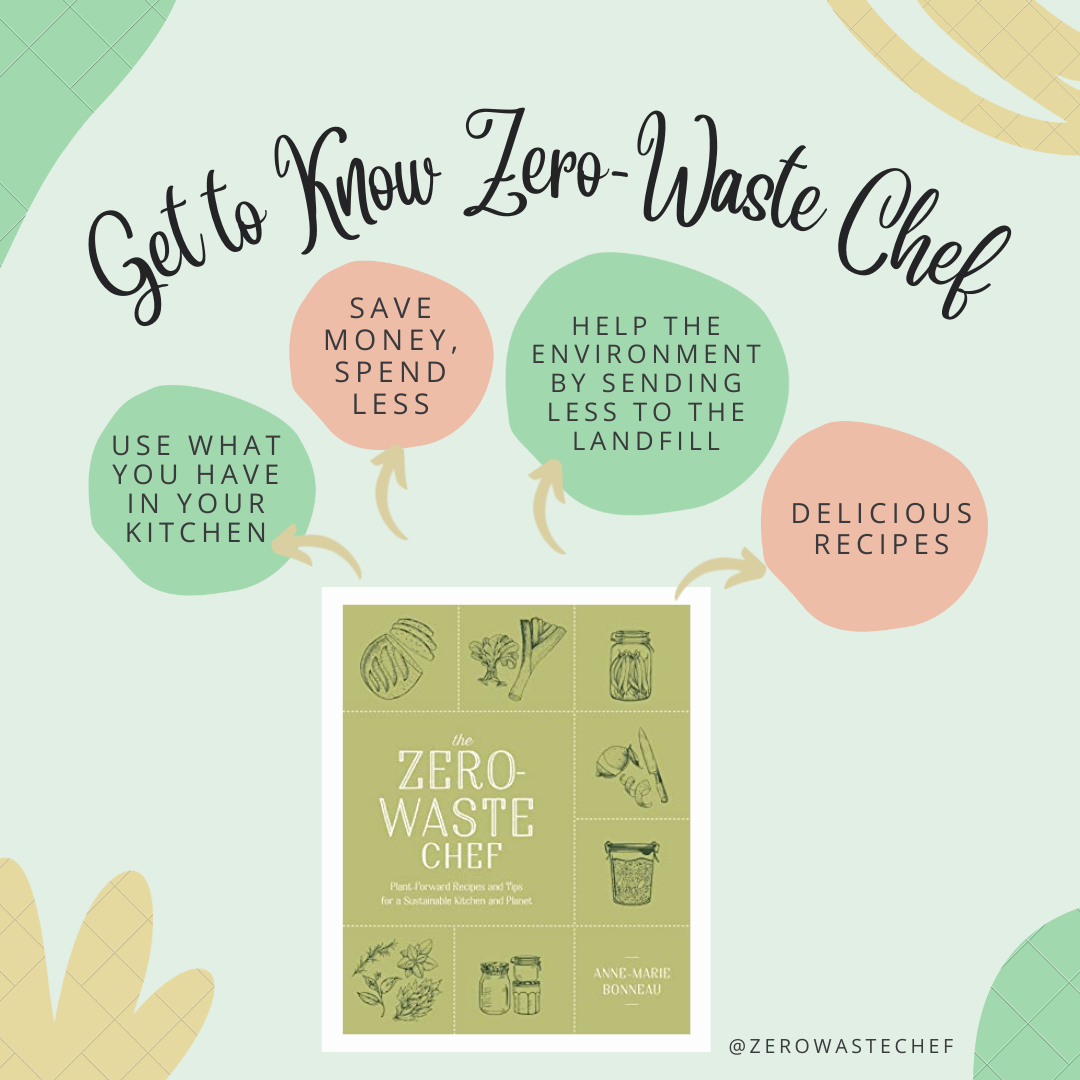
Check out my award-winning cookbook!
- Taste Canada silver for single-subject cookbooks
- Second-place Gourmand cookbook award in the category of food waste
- Shortlisted for an award from the International Association of Culinary Professionals
Learn more about my book here.