In my tiny kitchen, every item must earn its keep. I do own some gadgets that I use infrequently—such as my food mill and cherry pitter—but sure am happy to have them when I need them. This list includes items I find indispensable and use at least every week and often every day.
1. Jars, jars and more jars
I can never have too many jars. Some women covet shoes. I covet Le Parfait jars. I use my jars for:
- Shopping
- Storage
- Packing lunches
- Eating
- Drinking
- Fermenting

2. Wide-mouth funnel
If you share my jar addiction, you’ll find a wide-mouth funnel useful for filling your jars without slopping food all over the place. I’ve had my stainless steel wide-mouth funnel for at least 15 years, probably 20.
3. Homemade produce and bulk bags
I sew very basic produce bags. (Read more here and here.) I cut out a rectangle of fabric, serge the top edge to finish it, fold the fabric in half and serge the side and bottom. I have been making these since 2011 and have yet to wear one out. I’ve used new fabric with pretty patterns on it, old sheets, pillow cases and plain new muslin for these. I’m currently working with someone to help her reduce the waste in her commercial kitchen and I told her to start by using these bags. She offered to trade me meals for bags. (I love to barter. One day I’ll write a post about zero money…)
These bags, like jars, serve several purposes:
- Shopping (produce and bulk)
- Storing food
- Freezing baked goods
- Spinning salad greens



4. Thin linens
I use these for proofing bread and for straining scrap vinegar, broths, beet kvass, yogurt and so on. I also cover my large jars of kombucha with very thin cloths. The thinner the better. Typical cheesecloth you find at the grocery store doesn’t work for me. I find it difficult to handle and the weave too loose.
Another bonus of thin linens—they require less space in the washing machine and consume less water to wash. (For the bathroom, I go for small, thin towels also. Certain people I live with dislike my penchant for efficient drying off, but we don’t really need body-size towels so thick I can fit only two in a load of laundry.)

5. Homemade lame
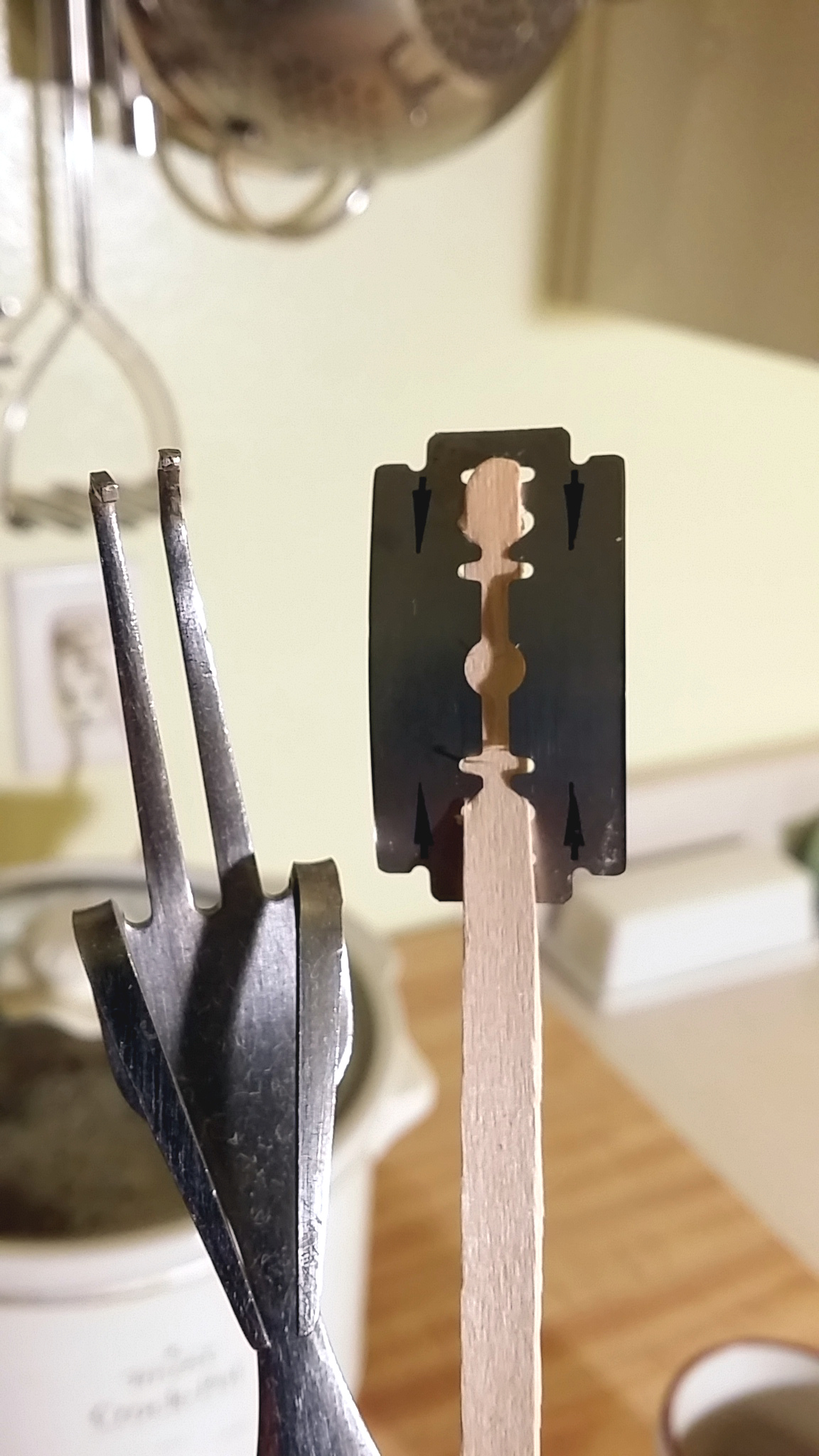
I have written about my homemade lame many times on my blog. It changed my life! With it, I can score my sourdough bread well, giving the loaves more room to expand when they rise. This little gadget—a wooden stir stick with a razor blade attached to the end—took my sourdough bread to the next level. My sharp knife simply did not work as well. And the lames I have seen online and in stores have plastic handles with fixed blades you can’t replace—you chuck the whole thing when the blade loses its edge. Even if you can sharpen the blade somehow, I don’t like the plastic handle.

6. One good knife
I actually have more than one good knife (I received a set for Christmas one year) but I use my 9-inch chef’s knife constantly while the others (except my bread knife) just sit in the knife block. If you bake bread, you’ll likely want a good bread knife. I don’t want to mangle my homemade sourdough bread.
7. Dutch oven
When I first started using my Dutch oven, I loved it so much, I told my coworkers I wanted to be buried in a Le Creuset coffin. They pointed out no one would be able to lift it… I use my Dutch oven constantly—for baking bread, making soup, dal, baked beans, channa masala, chili…all sorts of stuff.
8. Vegetable scrubber
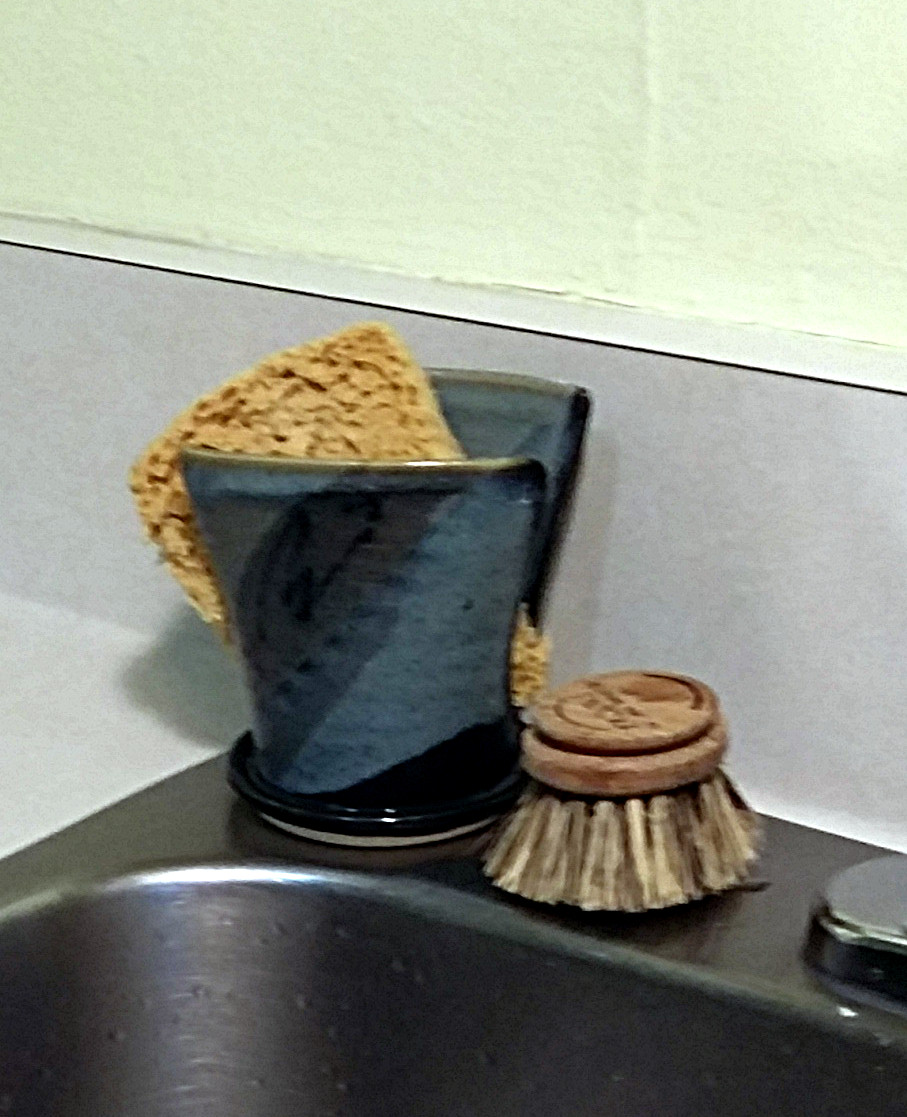
I use a natural bristle scrubber with a wooden handle to scrub root vegetables like carrots and potatoes. Ideally, I do this at the beginning of the week when I bring home my haul from the farmer’s market.
9. Kitchen scale
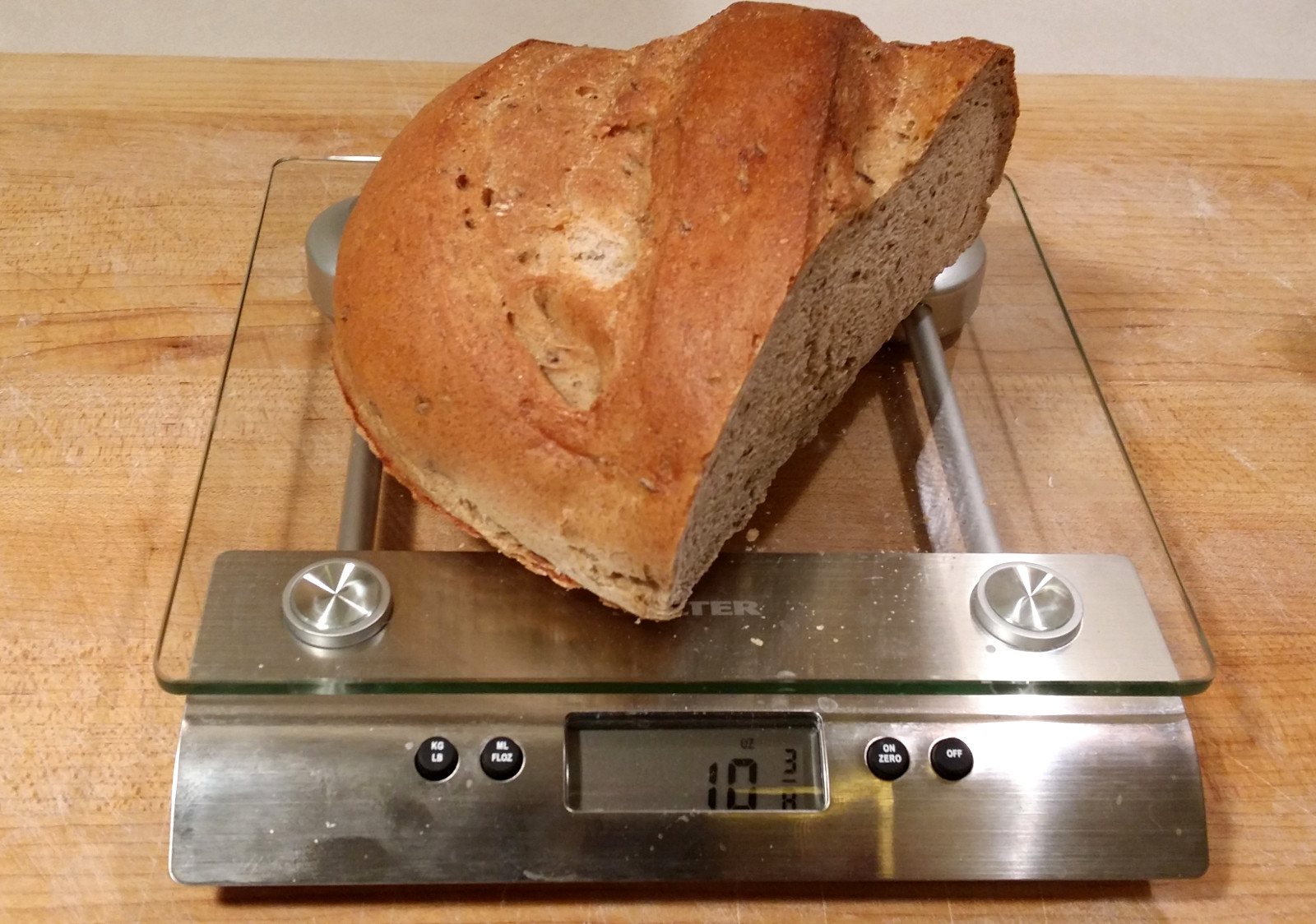
As you read through this list, you may notice a low-tech theme to these. Only the scale requires power (a battery) and if I had my life to live over again, I would get a mechanical spring scale (and a PhD). Not that I dislike my digital scale—I use it constantly. If you do any serious baking, measuring ingredients with a scale will give you more consistent results. Flour measured by weight doles out the same amount each time. If you measure by volume, the amount of flour will always vary. Also, you can measure faster with a scale. I just dump flour into a bowl on the scale in a few seconds, rather than having to measure it out cup by cup by cup.