


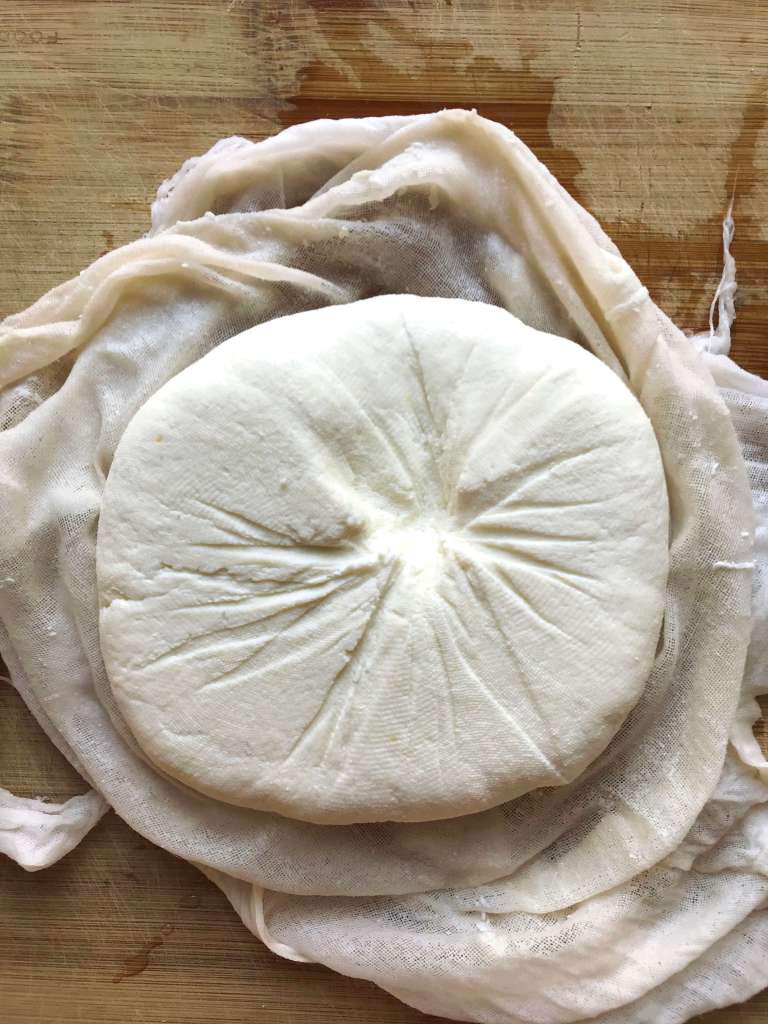
Earlier this year, my daughter MK rescued a few cartons of milk from a café where she had been working. The milk had long passed its best-before date but remained unopened so she brought it home to me. It looked fine, smelled perhaps a tiny bit off and tasted absolutely fine, so with it I made, among other things, this delicious paneer, a quick, soft cheese.
So many resources go into producing milk—the food that fed the cow, the water to grow the food that fed the cow, the energy to pump the water to grow the food that fed the cow and on and on and on. The process quickly becomes very Little Red Hen like.
If you find yourself with excess milk on your hands that may head south soon, you can:
- Bake with it. Quick breads, muffins, bread pudding or french toast, for example, won’t likely go uneaten.
- Cook with it. Make quiche, scalloped potatoes, mashed potatoes, strata and so on.
- Make soft cheese, such as this paneer. If you find yourself with a large amount of milk in need of a waste intervention, make a soft, non-aged cheese like paneer.
Paneer is similar to ricotta but with less fat, or perhaps ricotta is similar to paneer but with more fat. You need only two ingredients to make it: milk and an acid, such as lemon juice or vinegar. For this post, I used lemon juice. (A large amount of cultured buttermilk will also work. Please see the recipe notes.) A couple of days after I made the paneer, I cooked paneer khumb masala (paneer and mushrooms in an onion-tomato sauce). OMG. It tasted amazing.
But wait there’s more! Cheesemaking renders a shockingly large amount of whey. But that whey need never go to waste. I froze a couple of jars’ worth and with the rest, baked whole wheat sandwich bread (I substituted the whey for the water). Delicious! The whey softens the bread and adds flavor and nutrients.
Finally, after I had cooked piles of food with the rescued milk, its empty compostable cartons went into the green bin. (Our city’s curbside composting program accepts these cartons.)
Now for piles of pics of the simple paneer-making process.

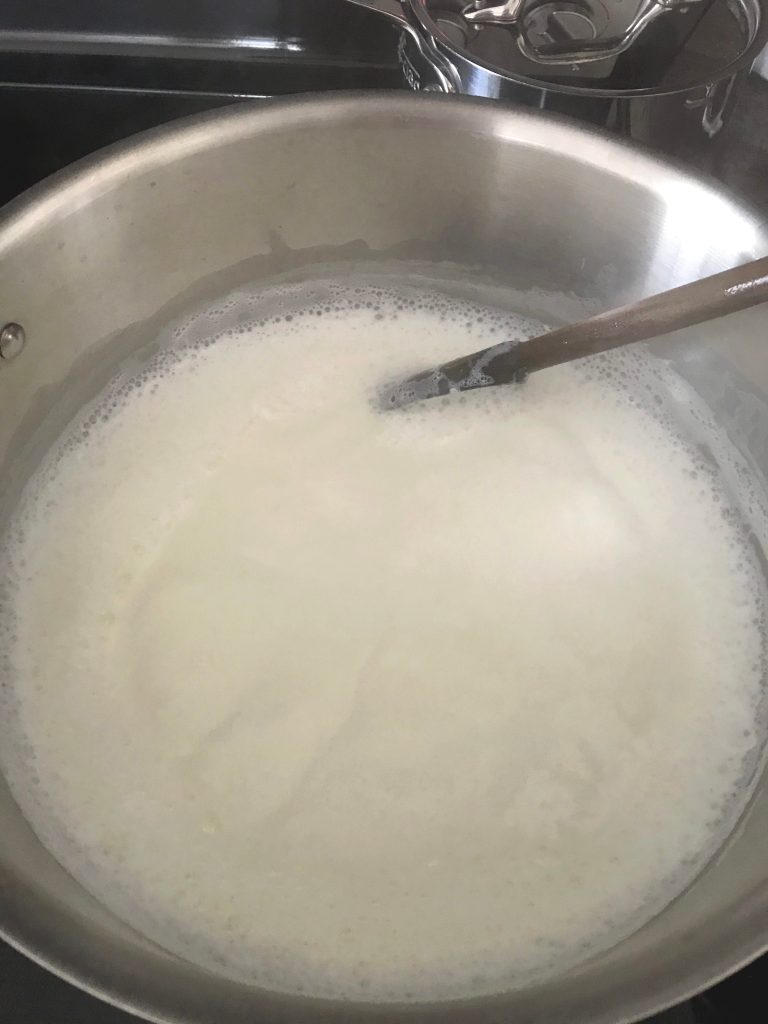
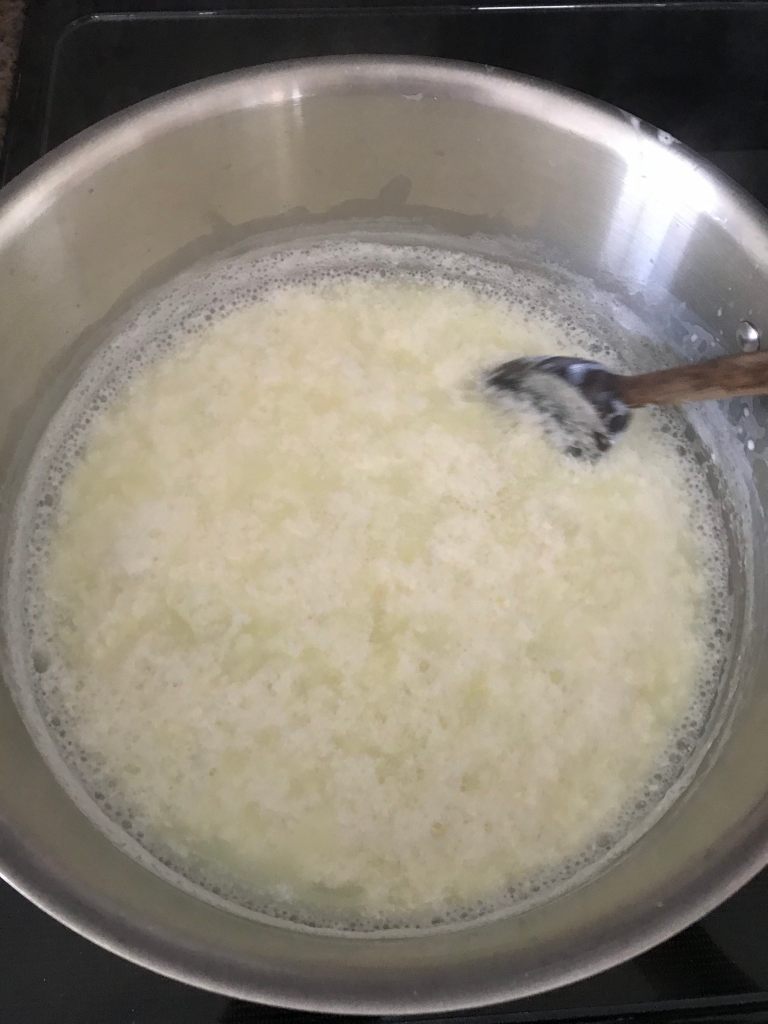
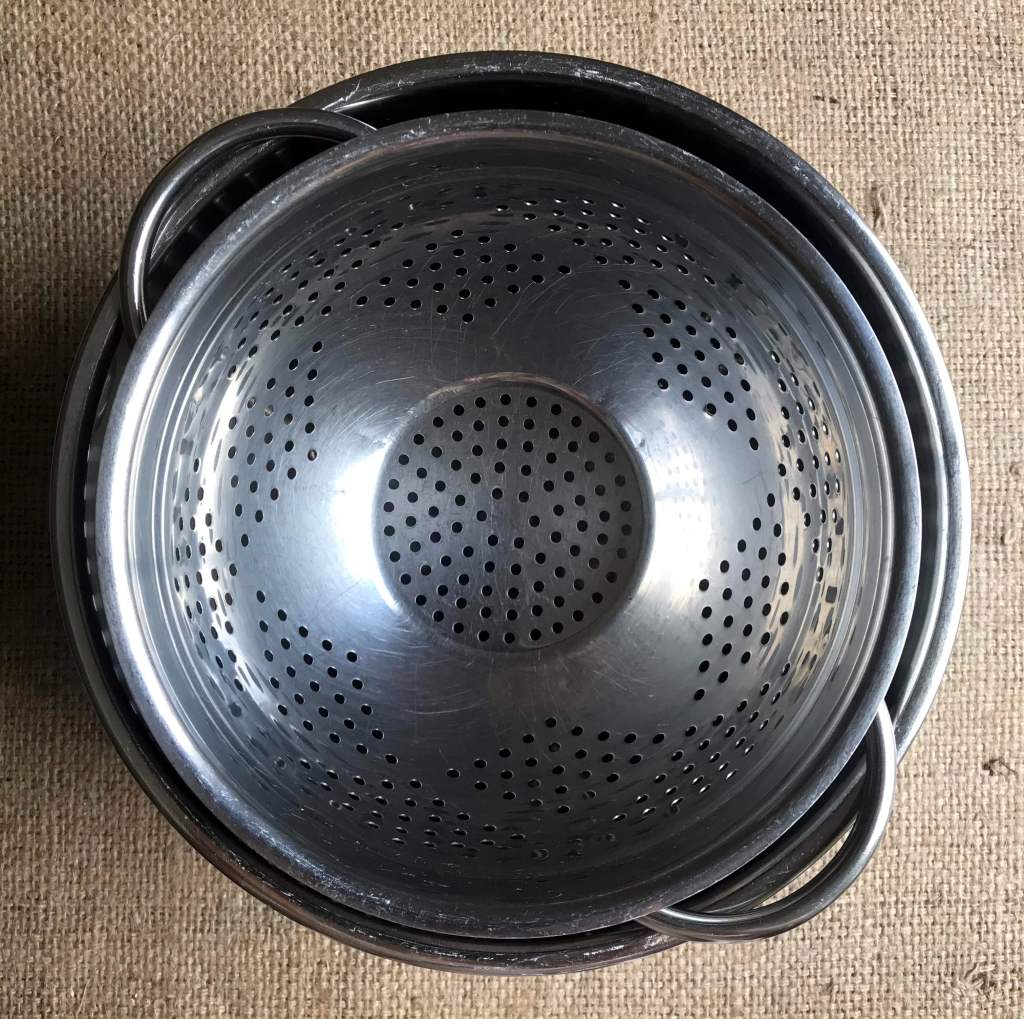
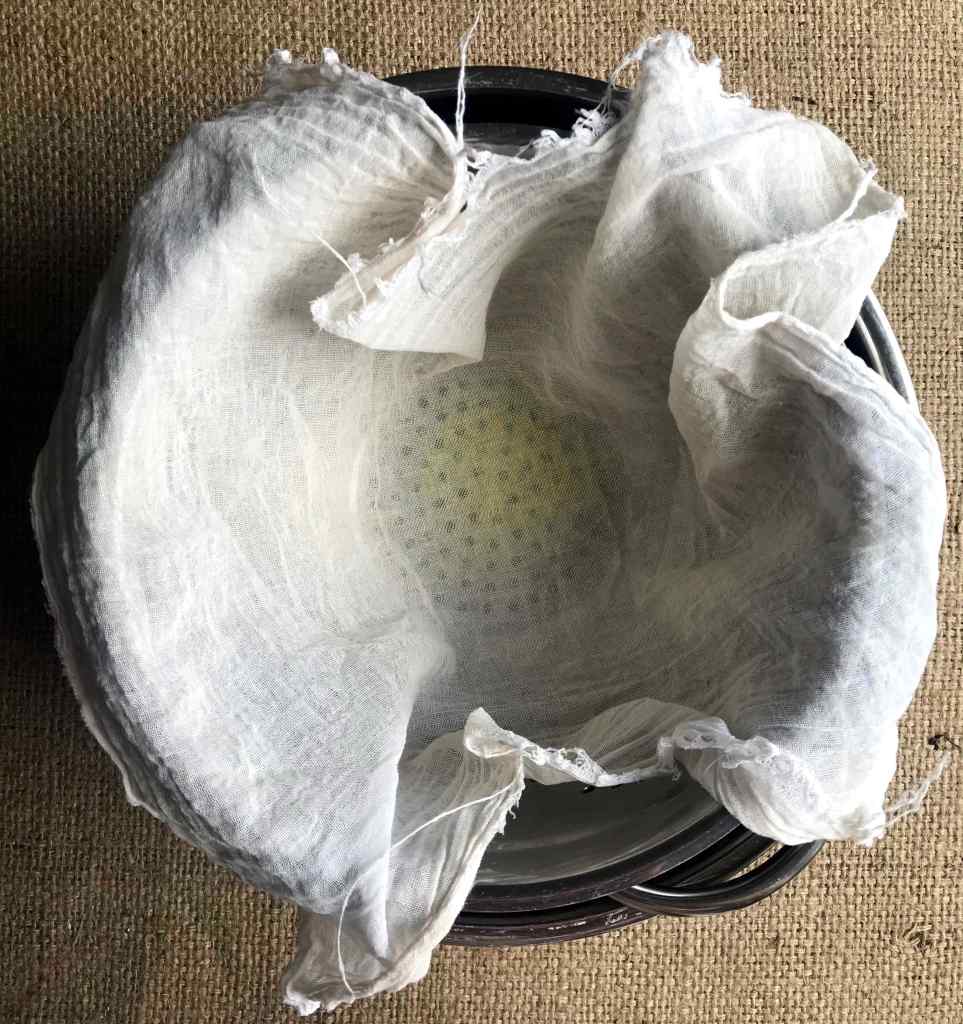
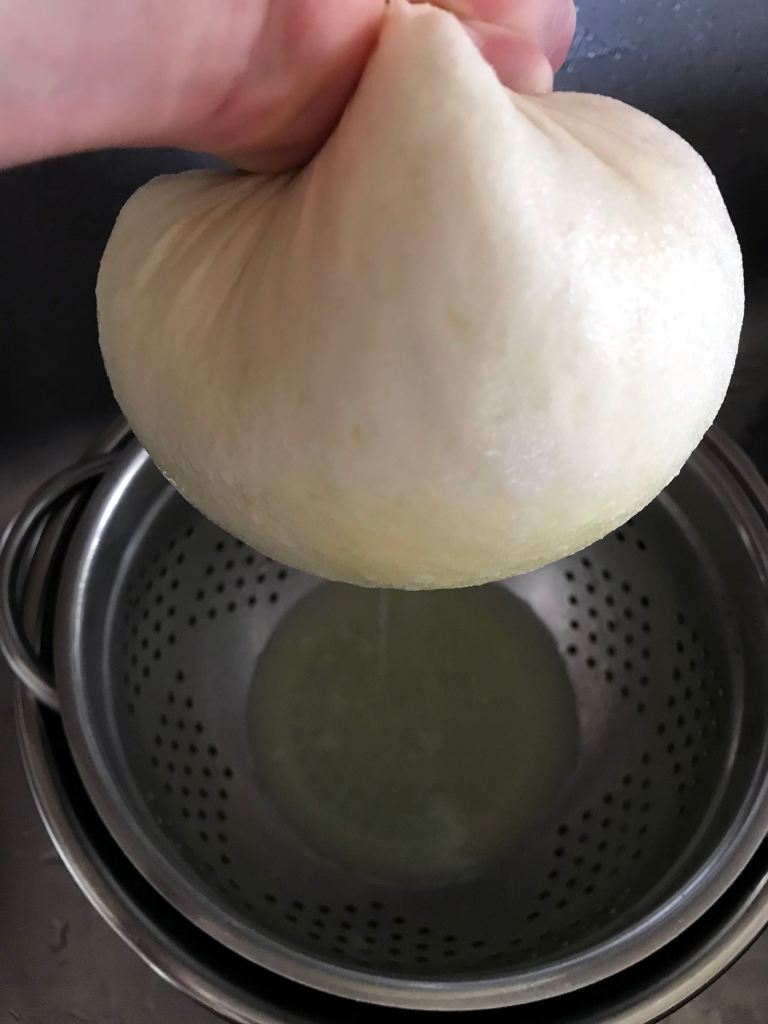
Heat the milk, add the lemon juice, strain the curds






Form the block of paneer


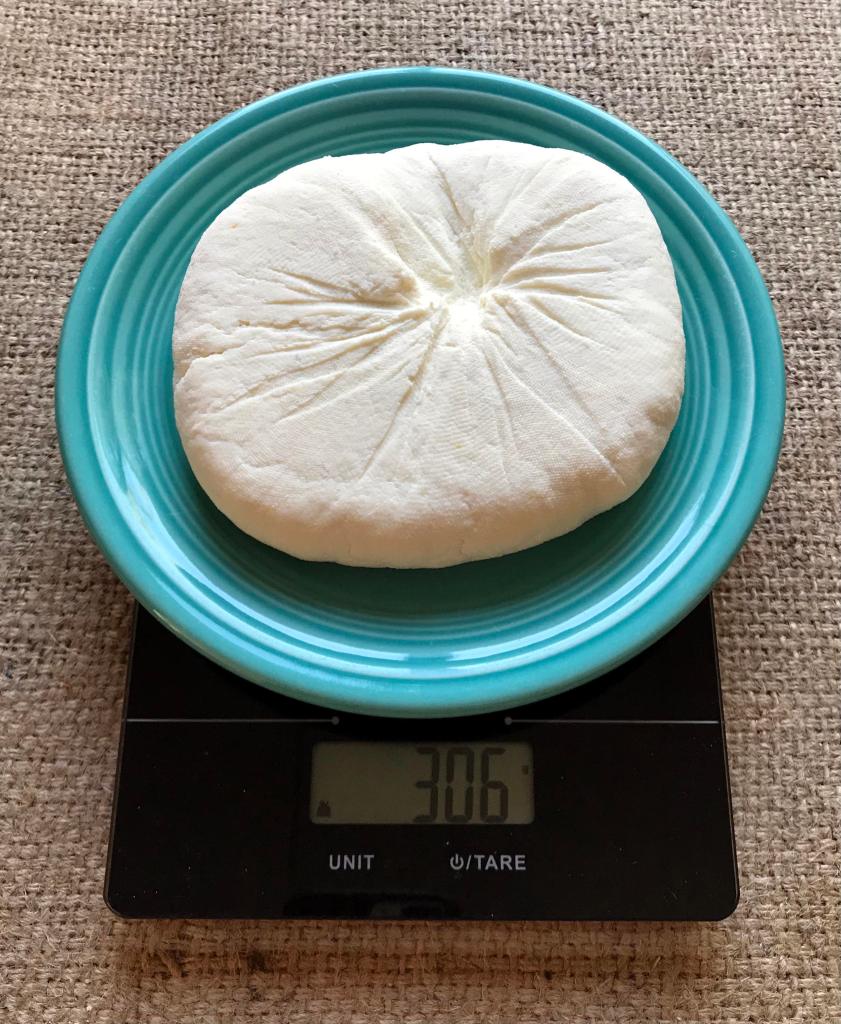

Homemade Paneer
Ingredients
- 8 cups whole milk see Note
- 3 tablespoons lemon juice or vinegar see Note
Instructions
- Heat the milk in a large pot over medium heat, stirring often, until the milk foams up and nearly boils. Remove the pot from the heat immediately.
- Add the lemon juice or vinegar. Stir gently just until distributed. Let the pot rest for 10 minutes while the curds form.
- Place a colander inside a large bowl. Drape a tightly woven cloth inside the colander. Carefully pour in the curds and whey. If the bottom of the colander is submerged in whey, transfer the whey to another bowl or heat-resistant jars. Let the curds sit in the colander and continue to strain over the bowl for 30 minutes.
- Gather up the edges of the cloth to form a ball of paneer and turn and squeeze out as much whey as you can. Reserve the whey for another use.
- Place the cloth-wrapped ball of paneer between two cutting boards or plates. Place a heavy weight on top and allow the paneer to rest for 1 to 2 hours. Chill in the refrigerator to firm up the cheese and eat within a few days.
Notes
If you ordered my book, first of all, thank you very much. I hope you are enjoying it. If you ordered it from Amazon, will you please write a review? (Goodreads also works!) Thank you for your support!
