If Cast Iron Protective Services was a thing, my two pans would have been taken away from me long ago. I never cooked in them. I stored them in the oven—and kept them there with the heat on. I rarely seasoned them. When I saw Heidi Alvarado’s post on Instagram explaining her clever (and easy!) method to maintain cast iron, I knew I had to try it out and I asked her to write a guest blog post about it.
If you have wanted to ditch your Teflon pans, consider replacing at least a one or two of them with affordable cast iron. Cast iron is practically indestructible and—as you will read in this post—easy to maintain, despite the rumors.
You can follow Heidi on Instagram here. And I highly recommend you do! She packs her feed with useful, practical and delightful zero-waste tips, hacks, recipes and more—written in both English and Spanish.
Cast Iron Care 101
by Heidi Alvarado
When I first purchased a cast iron pan, it sat in the corner of my kitchen for months. I would eyeball it, with slight resentment, because when I began researching the care for my cast iron (after purchasing *sigh*) it was very overwhelming. Some claimed you should NEVER touch soap to your cast iron, while others raved on about what types of oils you HAD to purchase to season it and others about what type of scrubber you absolutely NEEDED. This pan that I had initially bought with the notion that it would be a kitchen beast ended up feeling like this fragile item which seemingly required so many additional purchases to maintain. However, after finally reading through many websites, articles and how-to’s, these are the conclusions I came to. Please note that this is for newbies and slightly less than newbies—if you are intermediate to expert, you don’t need me! 🙂
Cleaning
After you are done cooking, if scraping off the bits leaves the pan relatively clean, that is all I do! The seasoning from your cooking will only add to the next meal, so don’t sweat the small clean ups. If you find that some parts are still caked on, then simply wait until the pan is cool enough to handle to clean with your pot scrubber (mine is made of beechwood and palm leaf fibers) and water. Why do they say no soap? Cast iron is porous so it is thought that the soap will strip seasoning. What if you already washed with soap? I have personally not, but people claim they wash with soap every time so don’t fret—you can do a re-seasoning and get your pan back on track (more information below). There are many scrubbers out there specially designed for cast iron—I own a metal chain link one for the extremely hard-to-scrape-off bits of food, but can honestly say I have only ever used it maybe twice. After you are done washing, towel dry the pan and place it in your oven or on stovetop on low heat. Once it is dry, you can re-season.

Seasoning
While the ideal oil for seasoning is flaxseed oil, not everyone has access (or the money) to obtain cold pressed, unrefined, organic flaxseed oil. I purchased mine from a natural health food store—it is food grade and sold as an omega-3 supplement. I purchased this brand because it came in glass—since it has to be refrigerated (the kind on shelves has fillers)—and I don’t imagine many places have this in bulk. However if flaxseed oil is not in your budget or realm of accessibility, I have found organic canola oil and organic olive oil to work just fine. After you are done heating the pan (while it is still warm) using an oven mitt, bring it to the counter top. Pour a bit of your oil into the pan and with a cloth, rub in the oil ALL over the pan, yes even the handle and underside. After you have rubbed it in, go back and rub OFF until you only have a thin coat of oil. This allows for the oil to seep into the crannies without being overly greasy. Finally heat the pan up again, whether stove top or oven. If you are really interested in the logic behind the types of oils for cast iron, Sheryl Canter has a blog post titled, “Chemistry of Cast Iron Seasoning: A Science-Based How-To” that goes more in depth for the curious folks.

Rust
It happens to all of us! Never fear, potatoes are here! That’s right, potatoes! Simply cut a potato (I use the small kind so I can grip it better) in half, sprinkle a hearty amount of coarse salt onto the pan and scrub with the potato! I even do this when I burn food on my cast iron (whoops sorry onions :)) Once you have finished scrubbing, rinse with water, pat dry, heat on stove or in oven, reapply oil, reheat, etc. Ta-daaa, you are now a responsible cast iron parent. If this seems like too much work to maintain your cast iron, I should mention that I more often than not leave mine on the stove top for days, throw it in the campfire, bang it on other pans as I go to put it away. It is my most forgiving and versatile kitchen utensil. So much so, that I am now the proud mother of seven different types. #addicted

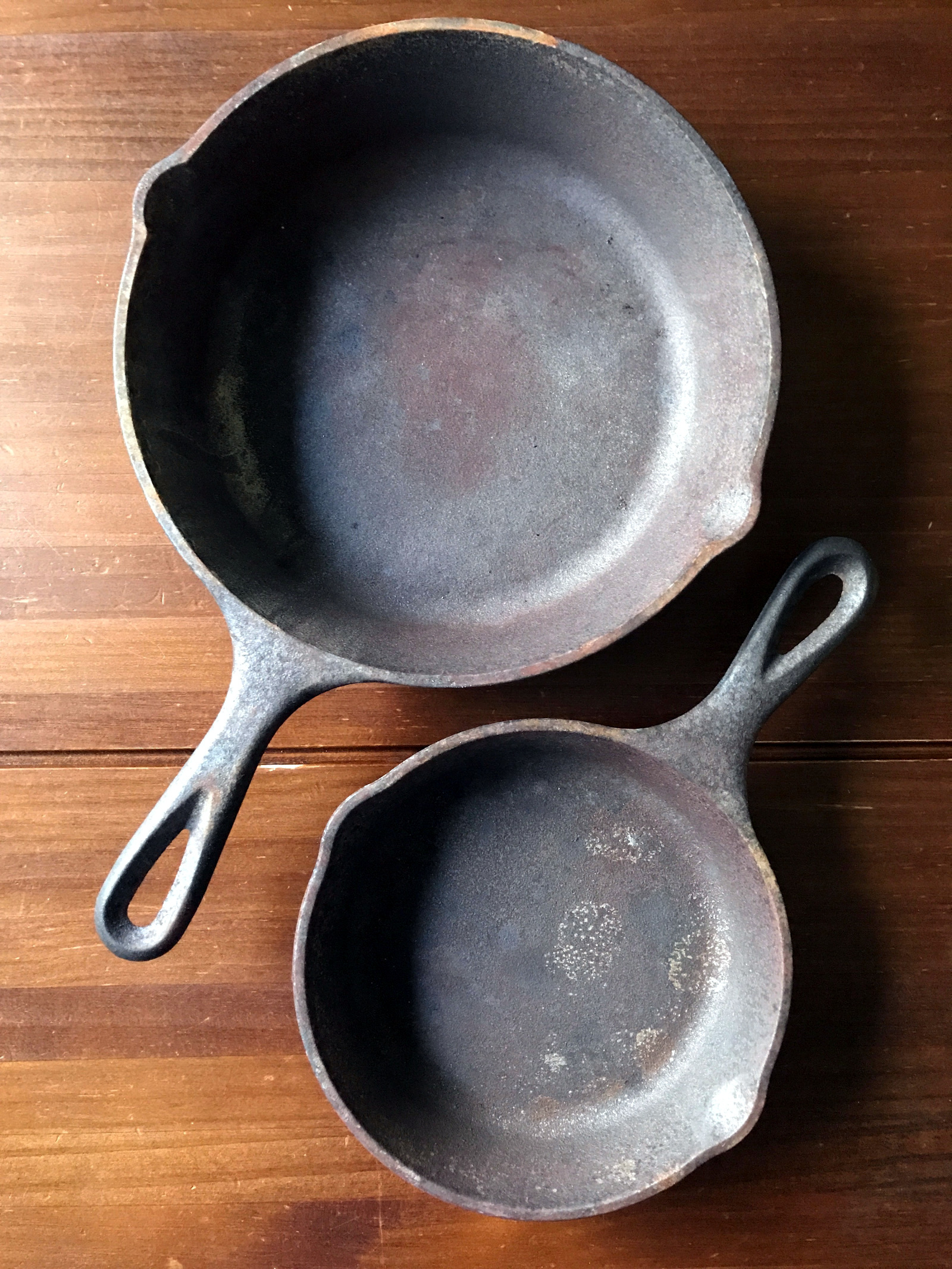
Heidi’s Method Works!
Check out the before and after pics of my neglected pans. The pictures speak for themselves.




Heidi Violet Alvarado is a twenty something copper-hoarding, plant-collecting, rustic-item-obsessing Latina living in the Bay Area. @zerowastechica is her name and sustainability is her game!
Check out my award-winning cookbook!
- Taste Canada silver for single-subject cookbooks
- Second-place Gourmand cookbook award in the category of food waste
- Shortlisted for an award from the International Association of Culinary Professionals
Learn more about my book here.