

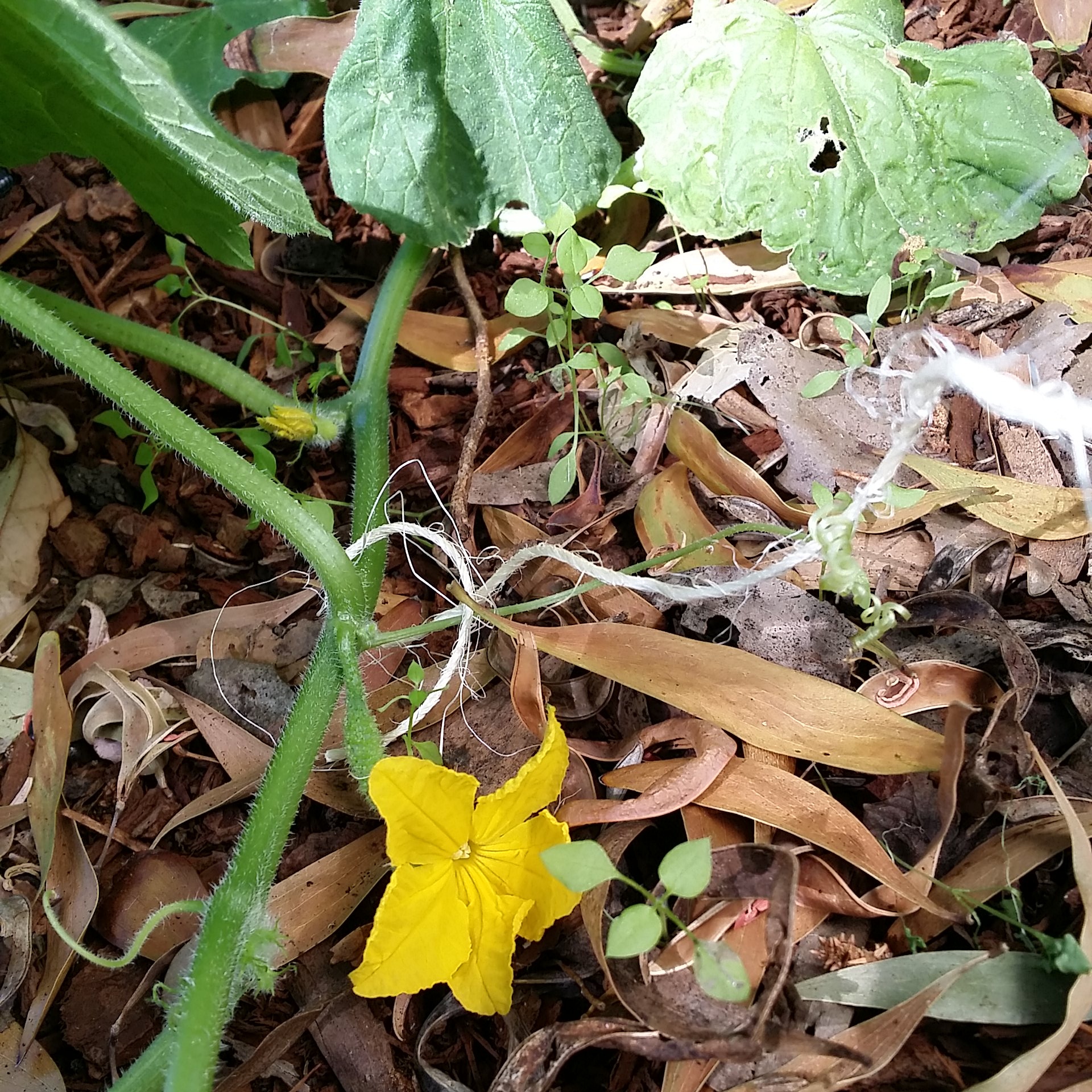
According to a report co-authored by researchers at Stanford, Princeton and Berkeley, Earth has entered its sixth period of mass extinction. Within just three generations, pollination by bees could be something kids only read about in textbooks (unless they live in Texas). You can read the full report here or an overview of it here.
While some people may not mind living in a world free of broccoli, cauliflower and lima beans, they will probably miss hazelnuts, melons, squash, cucumbers, lemons, limes, strawberries, persimmons, apples, avocados, apricots, cherries, almonds, cocoa, grapes and on and on. We’ll still have corn and wheat though, which do not require pollinators, until blight tears through these non-diverse and thus vulnerable monocultures with the speed of a California wildfire.
I know what you’re thinking—“What will we eat?”
If you read my blog at all, you likely know that I eat fermented foods daily, I teach fermentation classes in person and online and I regularly post recipes of and information about fermented foods. If fermentation can transform a plain old head of cabbage into delectable, addictive kimchi, imagine what it can do for bland ones and fives!

Fermented money
Lactic acid bacteria cover fresh produce and these hard-working anaerobic microbes ferment fruits and vegetables when they are submerged in liquid. Although these particular microbes may not naturally live on cold hard cash, think of the microbes all over it. It has changed through so many hands: lobbyists, politicians, executives at Monsanto and Syngenta, possibly a farmer.
Get creative with your fermented money. You may read on other blogs that twenties or even hundreds have a superior flavor to ones, but this is nonsense of course. Sprinkle in some pennies, nickels and Sacagawea dollar coins for color. If you have euros or loonies or pounds or rubles, add those too. This recipe knows no borders, just like colony collapse, drought and famine. Try to make your fermented money look appetizing. Try very hard.
Ingredients
- 20 bills in various denominations
- 1 handful of coins
- 4 cups water
- 2 tbsp salt
Directions
1. First combine the salt and water to make a brine. Stir this until the salt dissolves. With a vegetable ferment, salt draws out the juices, maintains a crisp texture and slows down the fermentation, thus prolonging preservation. With money, it will add much-needed flavor.
2. I crumple my bills for this recipe. You could shred them like you would cabbage for sauerkraut or kimchi. But if you believe money can buy anything useful when we have no food, you might prefer the whole bill method. This leaves you with the option to dry some bills out and put them back in your wallet, unless that’s made of leather, in which case, you may have already eaten it.

3. Stuff the bills into a glass jar.
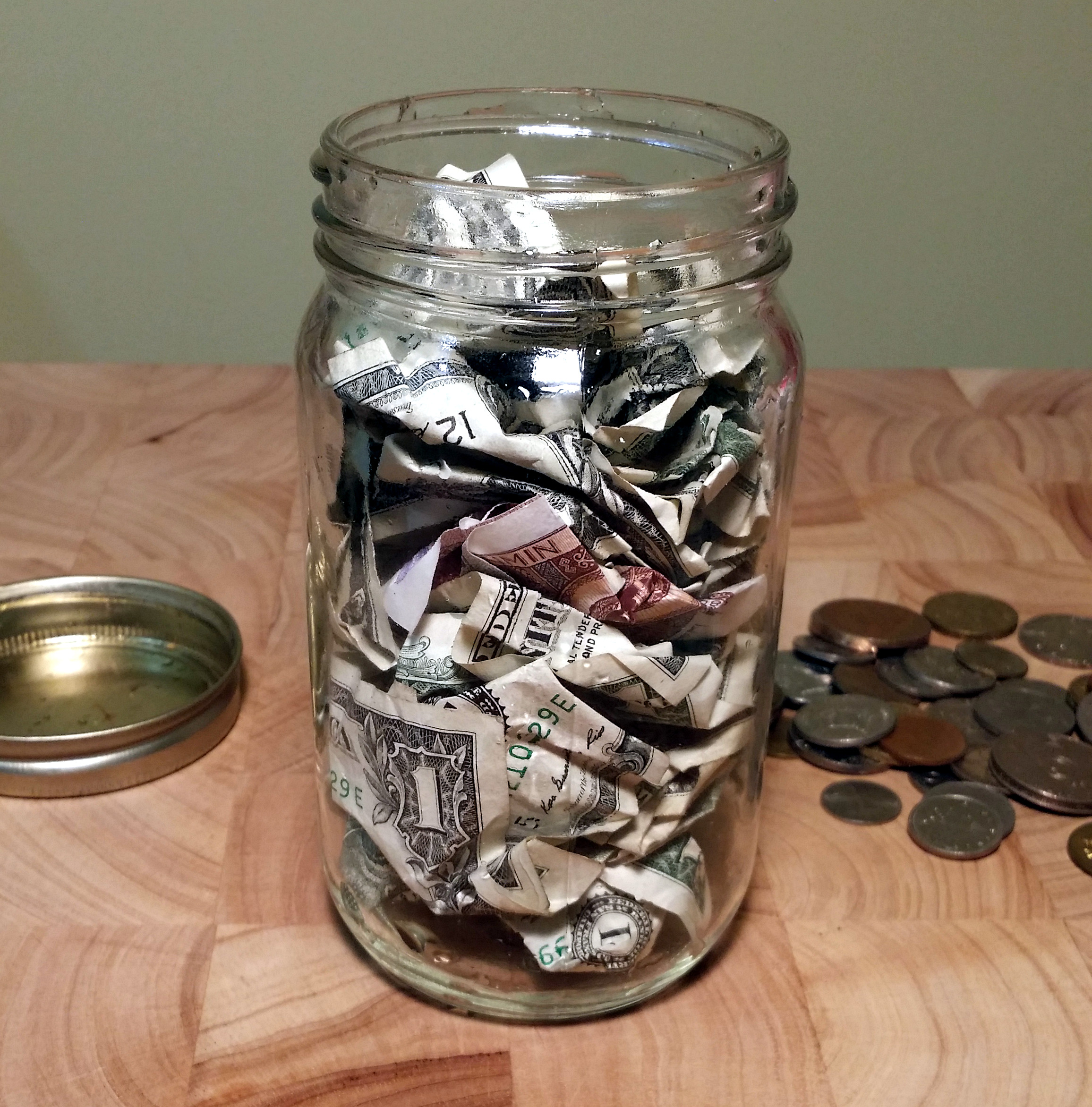
4. Pour the brine over the bills. The most important thing to remember when you ferment is to keep the food—in this case, bills—submerged in liquid. Take one bill, fold it up and stuff it on top of the crumpled or shredded bills. That will help keep everything submerged in the jar.

5. Sprinkle some coins on top of the folded bill to act as weights, which will keep the bills submerged.

6. Seal the jar and wait. Be patient. This ferment may take some time.
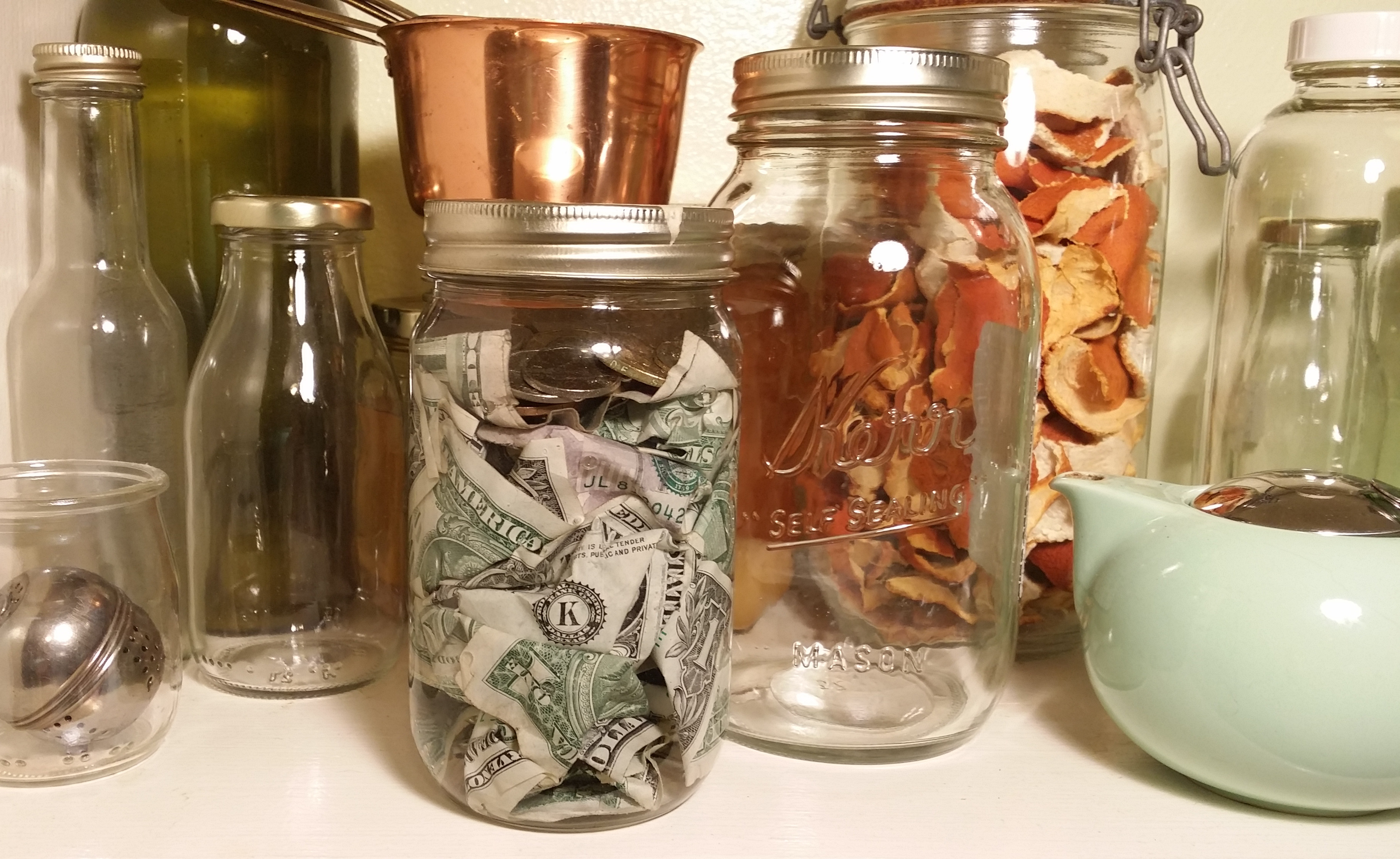
7. Let the bills sit for at least three days. Taste them on day three. If you like the flavor, they are ready. Transfer them to the fridge to slow the fermentation.
“When the last tree is cut, the last fish is caught, and the last river is polluted; when to breathe the air is sickening, you will realize, too late, that wealth is not in bank accounts and that you can’t eat money.”
― Alanis Obomsawin
What now?
Here are just some of the things we can do: Support farmers who grow our food using regenerative farming practices. You’ll find this kind of food, which tastes delicious, at your local farmers’ market or through a CSA (community-supported agriculture). Find a farmers’ market here and a CSA here.
If you have a yard, help struggling native bees. Build bee blocks or turn snags (dead trees) into bee nesting sites.
Bees also face threats from climate change. Make individual changes: eat more plants, drive less, buy less stuff and get politically active. Join your chapter of 350.org and take to the streets.
Consider growing some food and plant companion flowers near your garden to attract bees. If you have a strip of land, use it. Watch gangster gardener Ron Finley’s Ted Talk for inspiration.