

If you follow me on social media, you may have noticed that I’ve cooked in several different kitchens (six) since the beginning of the pandemic. While visiting my mom in Canada in early March 2021, I became stranded for almost four months. I’ve moved around a lot since returning to the US last year. I am tired but also extremely fortunate. I’m moving back to my house in which I haven’t lived for 16 years. The yards need help.
Initial plans
Tear up at least some concrete
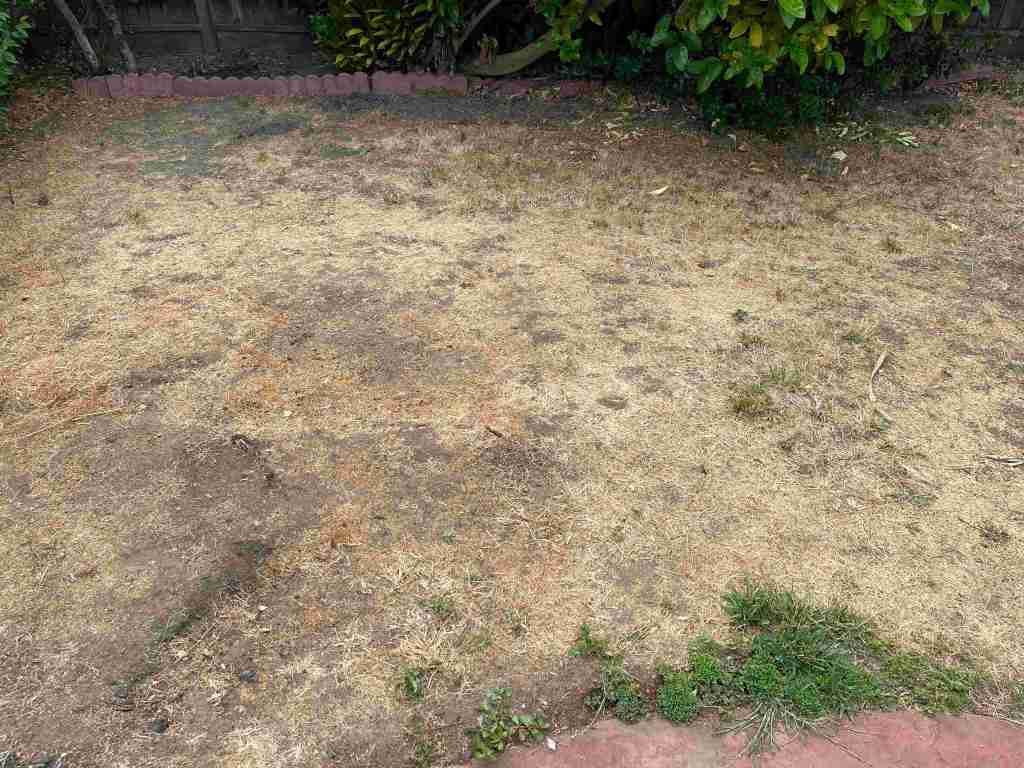
I learned recently that local Zanker Recycling accepts concrete and will have to investigate further to find out if it accepts this concrete. I think I will start by tearing out a few curvy sections. The bees like the California poppies that had grown here before drying out so I think I’ll plant other pollinator-friendly and drought-tolerant flowers in the soil once I have freed it. I’d also like to remove the brick divider all around the edges of the very back.


Install a greywater system
We have just experienced our driest rainy season ever recorded in California and last week, Governor Newsom urged residents to reduce water consumption by 15 percent. Almost every county (including mine, Santa Clara) is now under a drought state of emergency. And while yes, urban areas consume only about 10 percent of the state’s water, and, yes, we grow food and raise cattle in the Central Valley desert, everyone will need to cut back on water consumption, probably under mandate eventually.
A greywater system diverts gently used water from the kitchen, bathroom and laundry to specific areas of the yard. Currently, my brute-force system (a pot in the kitchen sink and bucket in the shower) collects non-soapy tap water. I water the volunteer fig tree first.

Build a hugelkultur bed or two
Water-retaining hugelkultur beds contain logs and branches that, upon decomposing, release water and nutrients into the soil. As insects feast on the wood, they aerate the soil. In a large yard or homestead, I would build a tall mound but in this small space, I’ll opt for raised beds to grow vegetables. I’ll post more about building my beds when I start.

No-Waste Composting by Michelle Balz includes instructions for raised hugelkultur beds and African keyhole gardens—small raised beds that feature a compost bin in the center. Maybe next year I will build one of those… If you want to learn more about composting, I think you’ll enjoy this book.
Call the arborist
The lemon tree produced only small lemons this year and a volunteer oak tree appears to have killed the nectarine-peach tree I planted many years ago. That nectarine tree can go into one of the hugelkultur beds.

Find more food scraps
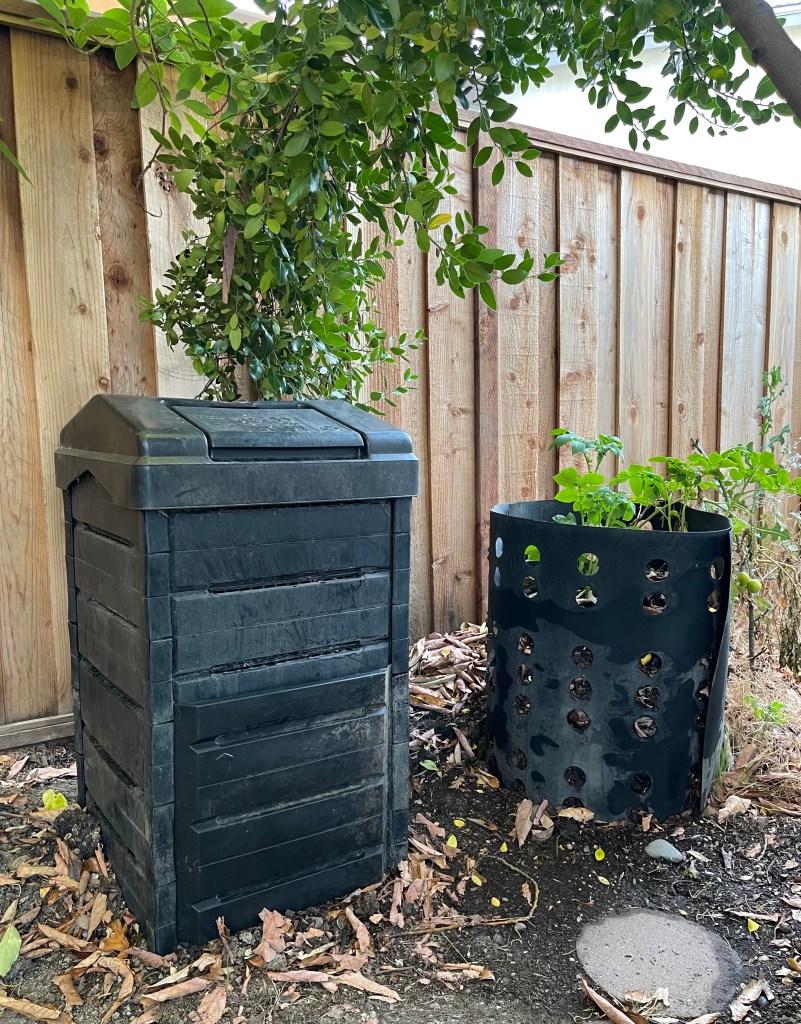
I have two compost bins on the go. These hungry bins need more food scraps to make compost for the neglected soil here. ShareWaste works like Tinder (or this vegan-vegetarian dating app). It matches people looking for a compost bin with people accepting food scraps. I might either sign up for that or pick up food scraps from a local caterer I know.

Rent a goat
I’m kidding—unless you have a goat to lend me that will eat the overgrown plants at the side of the house.

The little work I’ve done so far

Trimmed some trees and shrubs
I’m obsessed with the volunteer fig tree in the backyard. Either a critter dropped its snack or passed a fig seed in the yard, which took hold. To increase the amount of light reaching the tree, I spent a few hours this weekend trimming the surrounding jungle—the avocado tree, an overgrown (and prickly) holly bush and a hardwood volunteer tree. I did all of this for two baby figs. But next year, the young tree should bear more fruit.

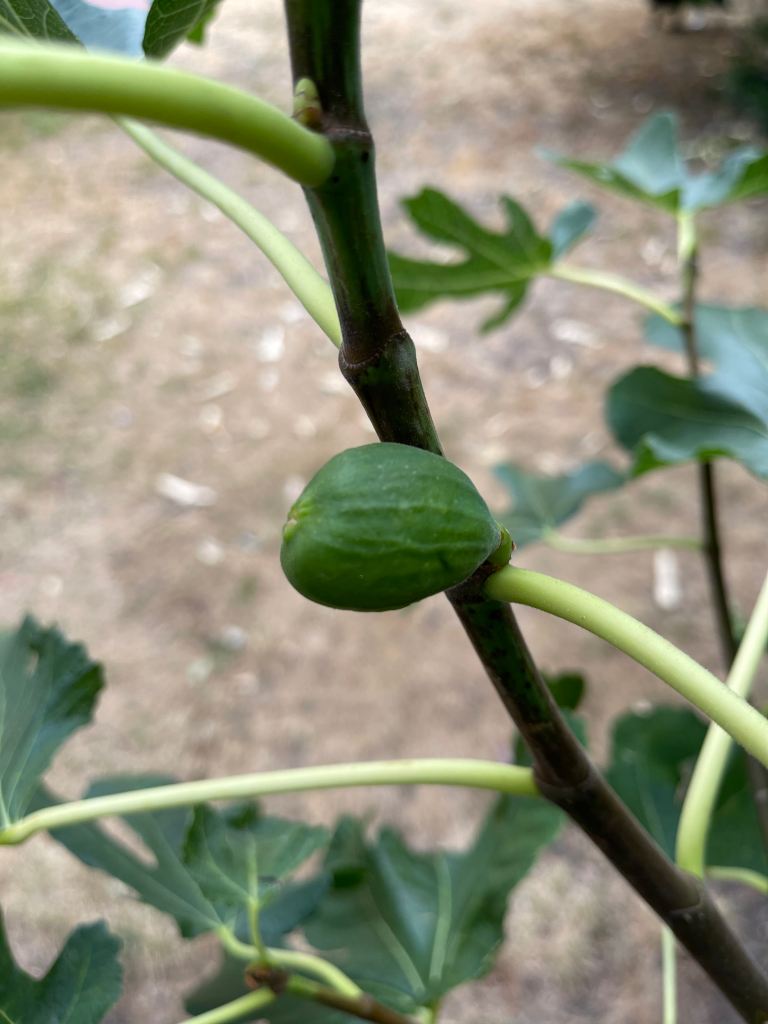

After wrapping my daughter Charlotte’s homemade Larabars in fig leaves—for truly compostable food packaging—I read that some people have an allergic reaction to fig leaves (I don’t). I’ll have to grow grapevines next year for food wrapping (and for grapes).


Started boxwood cuttings
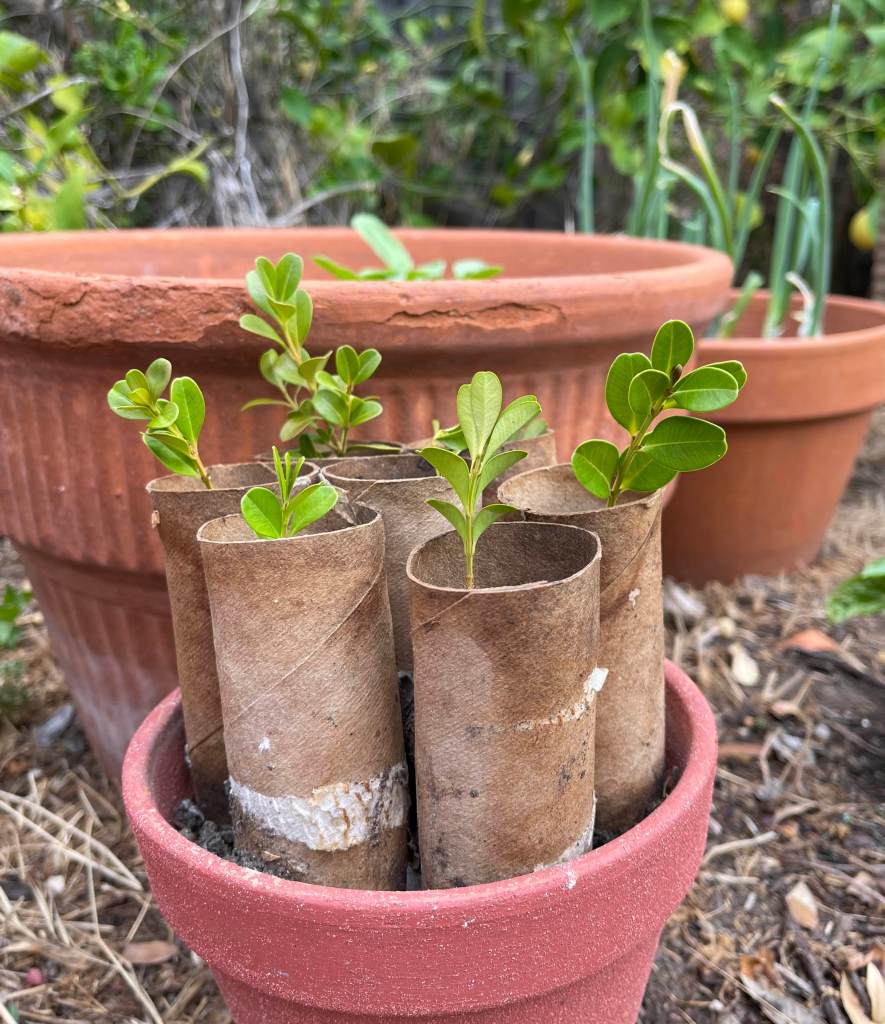
I experiment all the time and hope at least some of those experiments work. I planted six small boxwood plants in the front about 18 years ago. The boxwood has done well in our droughts. Two weeks ago, in soil and compost-filled bathroom tissue rolls, I started cuttings from the mature boxwood. Six look healthy. If these survive, I’ll plant them along the driveway in the front yard and start more cuttings. I love love love boxwood. If I had palatial grounds, I would design mazes with the stuff.

Cleaned out the compost bin
I emptied the fairly neglected compost bin and spread the compost around a few spots in the yard. With that bin now filling up with fresh scraps, the open bin with potatoes growing in it can continue undisturbed to decompose into black gold.
Replanted some seedlings that sprouted in the compost bin
I don’t have much to lose, especially if I water these with captured kitchen tap water, which I have been. These look like zucchini.

Dug up and potted two baby trees
The maple and palm saplings below would not have done well in their initial spots in the yard. If they survive and thrive in their pots, I’ll eventually plant them in the formerly-known-as-a-front-lawn, barren landscape out front.


Planted kitchen scraps
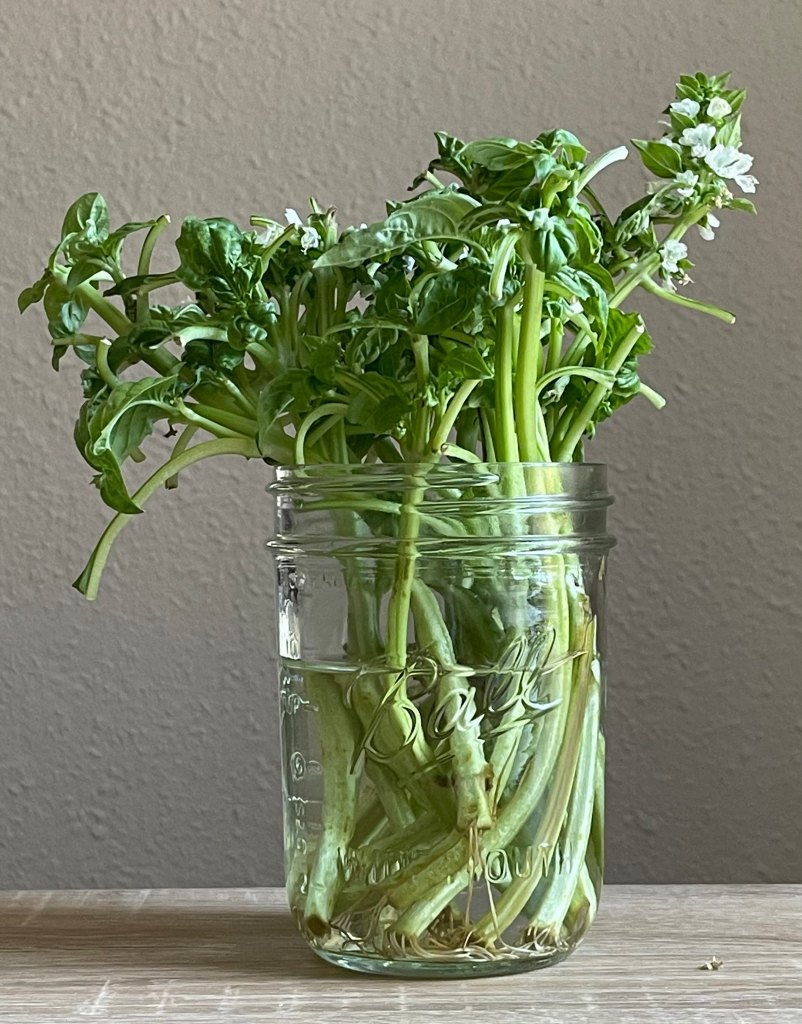
When I bring basil home from the farmers’ market, I store the bunches in jars of water on the kitchen counter or table, where they stay fresh for at least a week. A few years ago, one of the vendors at the market gave me a great tip: trim the ends off of the bunches first and they will sprout roots. Replant and enjoy. (Go here for more details.)
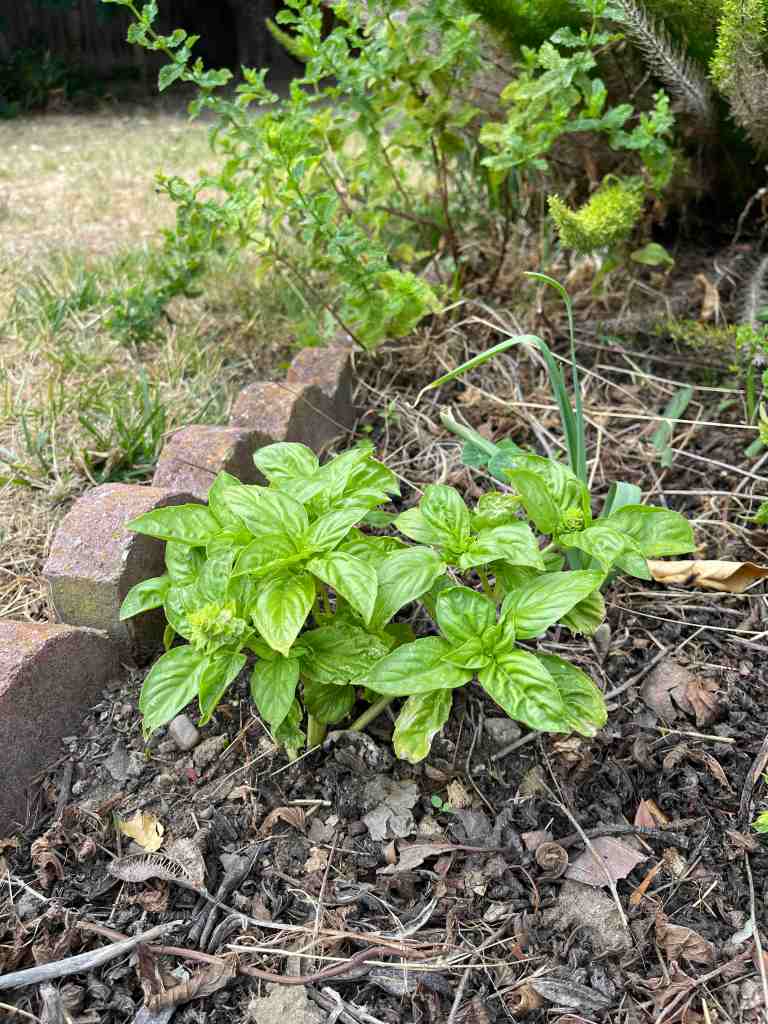
This year, I tried this trick with basil after my daughter MK had removed all of the leaves. I thought to myself, looking at the stems, hmmm, that’s a lot of green matter there… I must find something to do with it. So I put the stems in water, they sprouted roots and I replanted them in two different spots in the yard. I do the same thing with green onions and leeks.



I have a big job ahead but the outside needs less work than the inside. Or perhaps I enjoy working outside more than inside. Stay tuned for updates on the yard.
