

A reporter contacted me this morning, asking me how—or if—I thought the coronavirus might affect the zero-waste movement. I’ve been pondering my zero-waste habits during this outbreak, asking myself if I should change my routine.

Wash your hands after shopping for any food
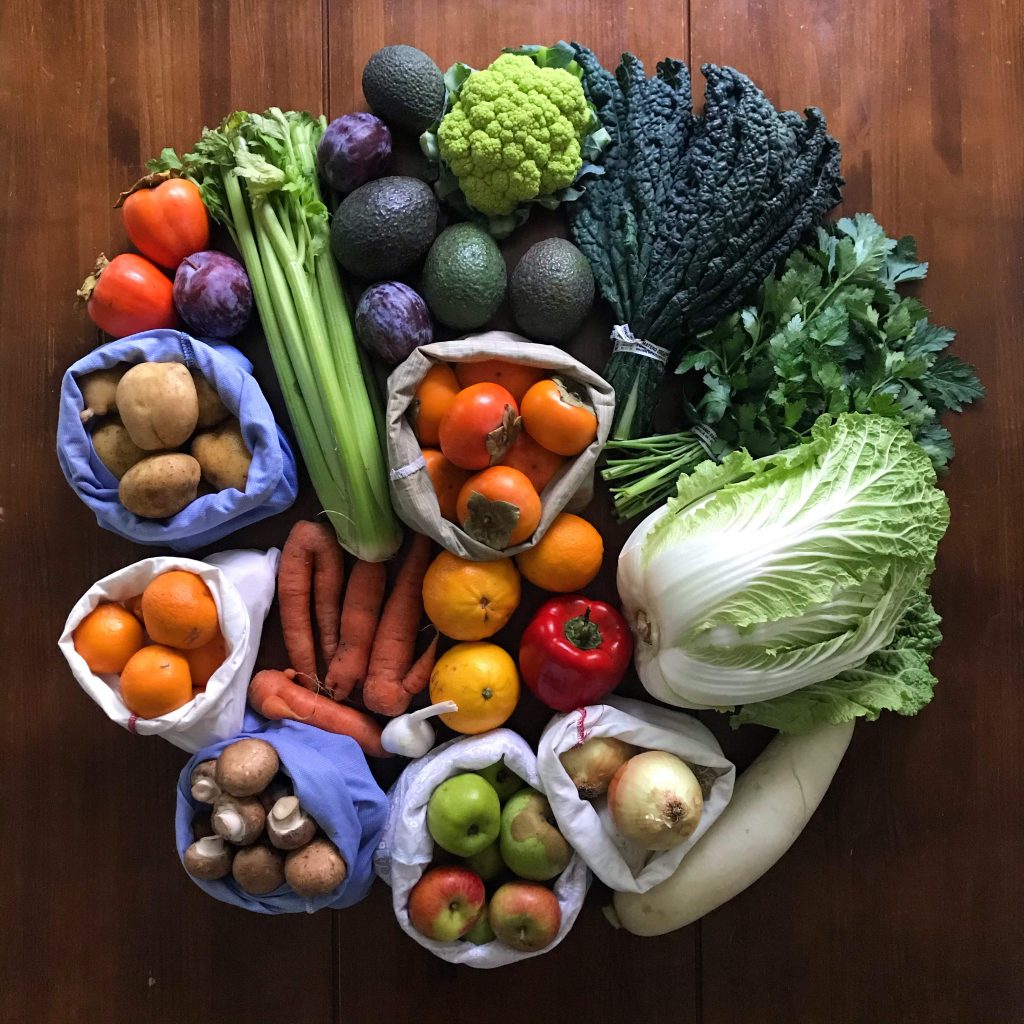
I’ll continue to shop for naked produce at the farmers’ market and to fill up on staples at the bulk bins. I’ve run out of a few bulk items and will hit the bulk bins later today. My kombucha SCOBYs need sugar, I want some looseleaf black tea and we all need chickpeas, a zero-waste food group.
Personally, I’m no more concerned about coronavirus lurking in the bulk bins than anywhere else in the grocery store. Think of all the people who have handled the frozen pizzas or cereal boxes or anything else on the shelves for that matter. I’ll wash my hands well after I return home with my goods and I’ll continue to avoid touching my face.
If stores won’t allow you to fill up your own containers at the bulk bins—and I’m unaware of whether that has happened—you can reduce your packaging to product ratio by buying the largest package possible if that makes sense for you (i.e., if you will eat all of the food). You’ll get more food for less packaging than you will if you buy a bunch of small packages.
Update: Soon after as I posted this, I learned that Bulk Barn in Canada has suspended its reusable container program. Go here for zero-waste shopping without access to bulk bins.


Sleep soundly at night, despite the rumors of an impending bathroom tissue shortage
Of all the things to worry about in this world at the moment, a bathroom tissue shortage seems like the least pressing issue.
If we do run out of bathroom tissue due to panic hoarding, we will survive. Almost everyone has a bunch of old t-shirts. Cut those up and use your new wee wipes to dab yourself after urinating. Then toss them in the laundry, just like you do dirty underwear. You won’t die. Use rationed bathroom tissue or a bidet for doo-doo. I apologize for the TMI, but I use wee wipes for blotting and I love them. I likely conserve a couple of rolls of bathroom tissue every month.
Regarding wee wipes, clinical professor of obstetrics and gynecology Lauren F Streicher, MD, told The Guardian,
People urinated long before toilet paper became available. There are zero health concerns with this … people have urine on their underwear all the time.”
As always, wash your hands well after using the toilet.

Brew your own
On Wednesday, Starbucks announced that, during the coronavirus outbreak, it will not fill customers’ reusable mugs or serve drinks in its ceramic for-here mugs in the US and Canada. Customers will receive their drinks in the company’s standard throwaway plastic-lined paper cups. However, if you take your reusable mug or order a for-here cup, you’ll still receive your usual 10 cent discount. But your server cannot fill your reusable cup or provide you with a for-here cup (please don’t blame the servers).
Many low-wasters who ordinarily take their reusable mugs to Starbucks will no doubt avoid the chain altogether, as will millions of other consumers during the outbreak. As a result, even while temporarily banning reusables, Starbucks may actually generate less trash during the outbreak because people will avoid eating and drinking out.
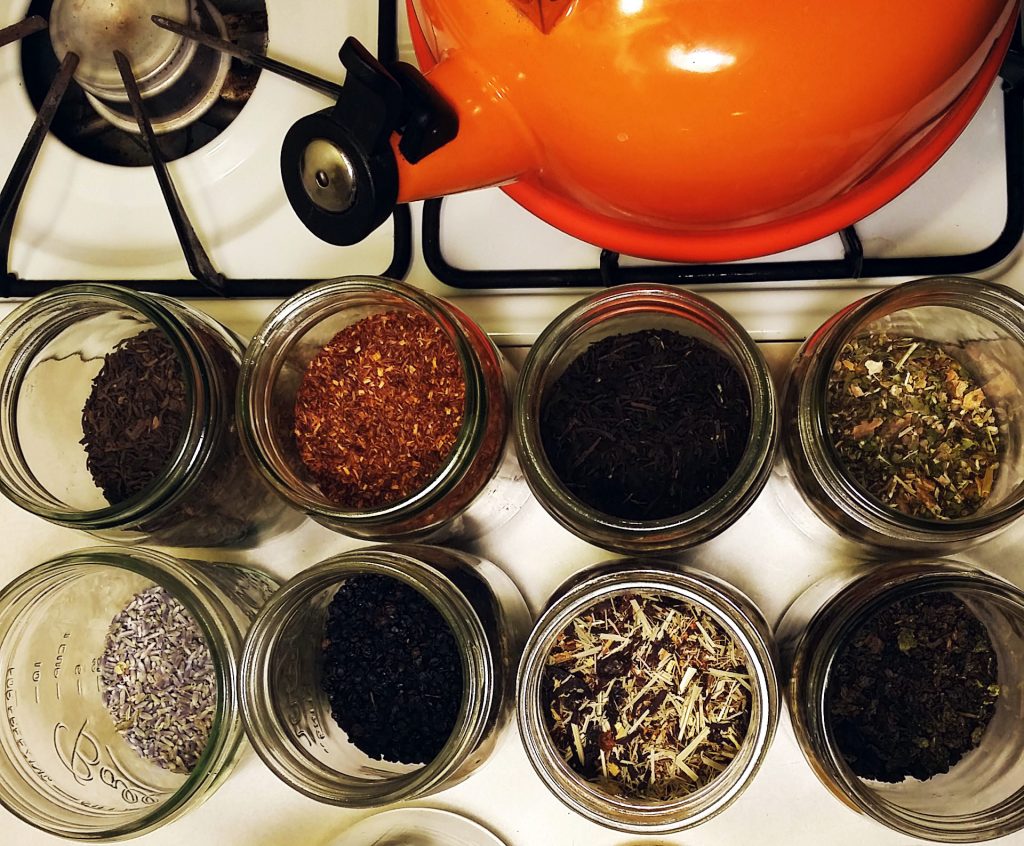
I would love to write this post from a comfy outdoor seat at my favorite café on this sunny day but we have 14 confirmed cases of the virus here in Santa Clara county (as of Wednesday) so I’m typing at home while drinking looseleaf oolong tea I brewed myself, which saved me over $3. (Although I will need to head out later to buy groceries, I don’t need to go to the café.)
While millions of us adjust to brewing our coffee or tea at home, something crucial may happen: Many of us will come to realize that we can capably brew a cup of coffee or tea ourselves. We may also realize that slowing down isn’t terrible but rather, a sane and pleasant way to live.
Obviously the coronavirus outbreak is simply terrible. But while it forces us all to slow down, it shows us that we can all slow down. And slow down we must. The planet cannot sustain our on-the-go consumer lifestyles.